Design filler
DESIGN FILLERRather than a more filled face,
a face that feels naturally yours
Areas of hollowing that concern you, and features you want to preserve.
The medical director considers facial proportions and plans the amount needed.

The same concern about nasolabial folds
can need volume in different places
Before placing filler directly in a nasolabial fold, we assess why it looks deep.
Upper-cheek volume, sagging and hollowing beside the nose may all contribute.
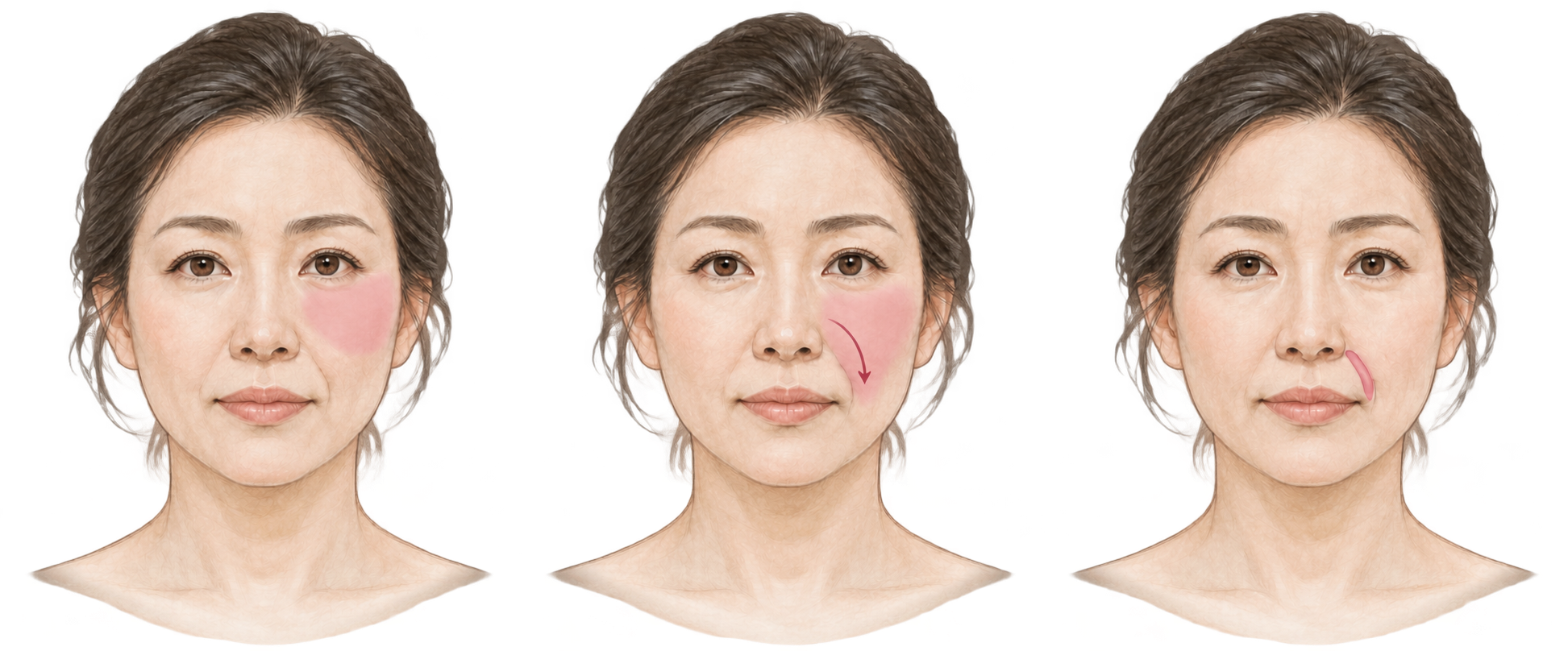
Start above the nasolabial fold
We also assess the support in the upper cheek above the fold.
Distinguish sagging before adding volume
We distinguish sagging from hollowing to consider which treatment is needed first.
Focus the treatment on the area that needs it
The scope and amount are planned according to the location of hollowing.
Plan for the appearance you want,
rather than simply adding volume
“Will too much filler look unnatural?”
We discuss the change you want and facial proportions before deciding the amount.
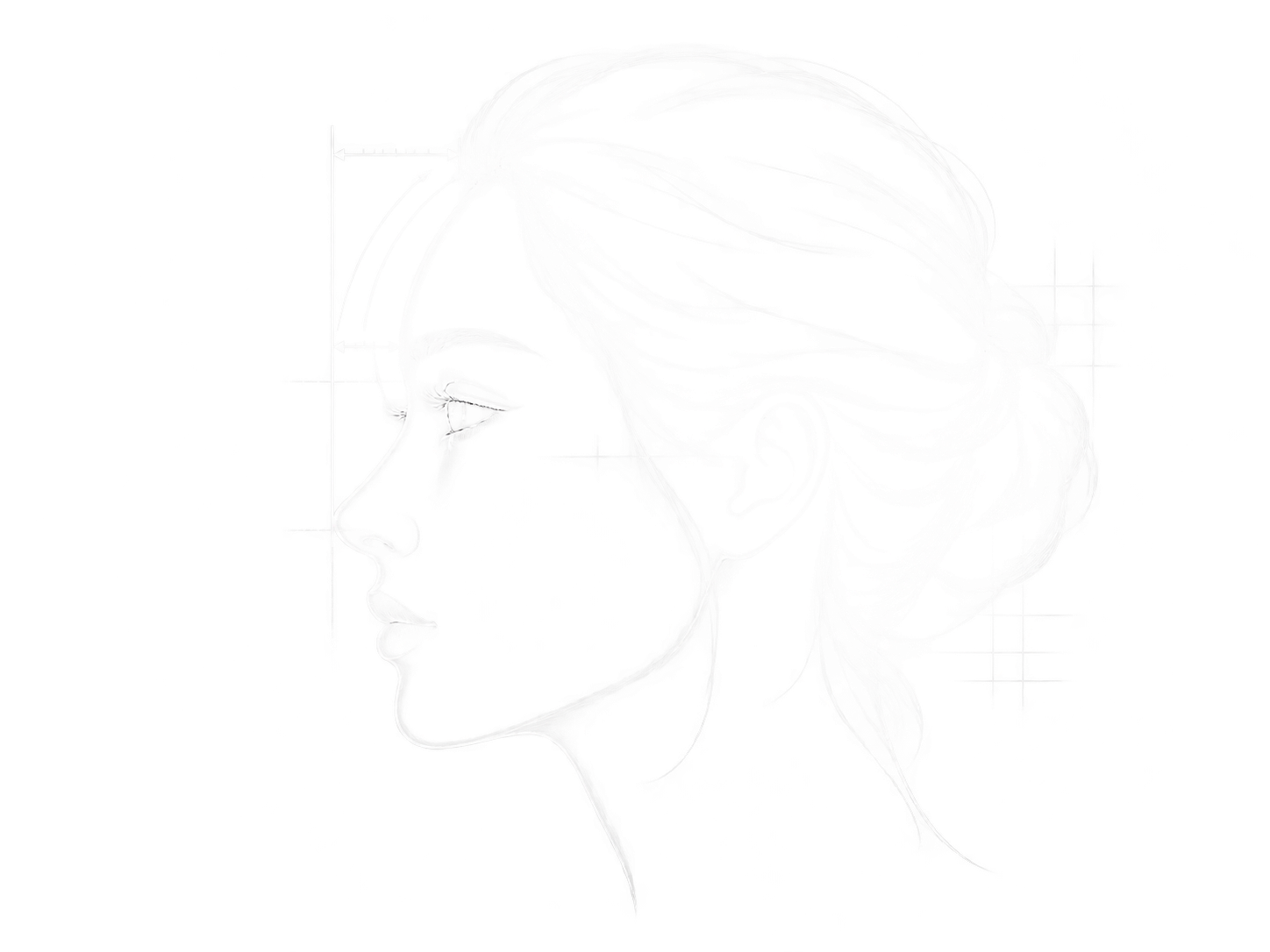
Consider forward projection too
We check the side-profile curve so that filling hollows does not make the forehead project too far.
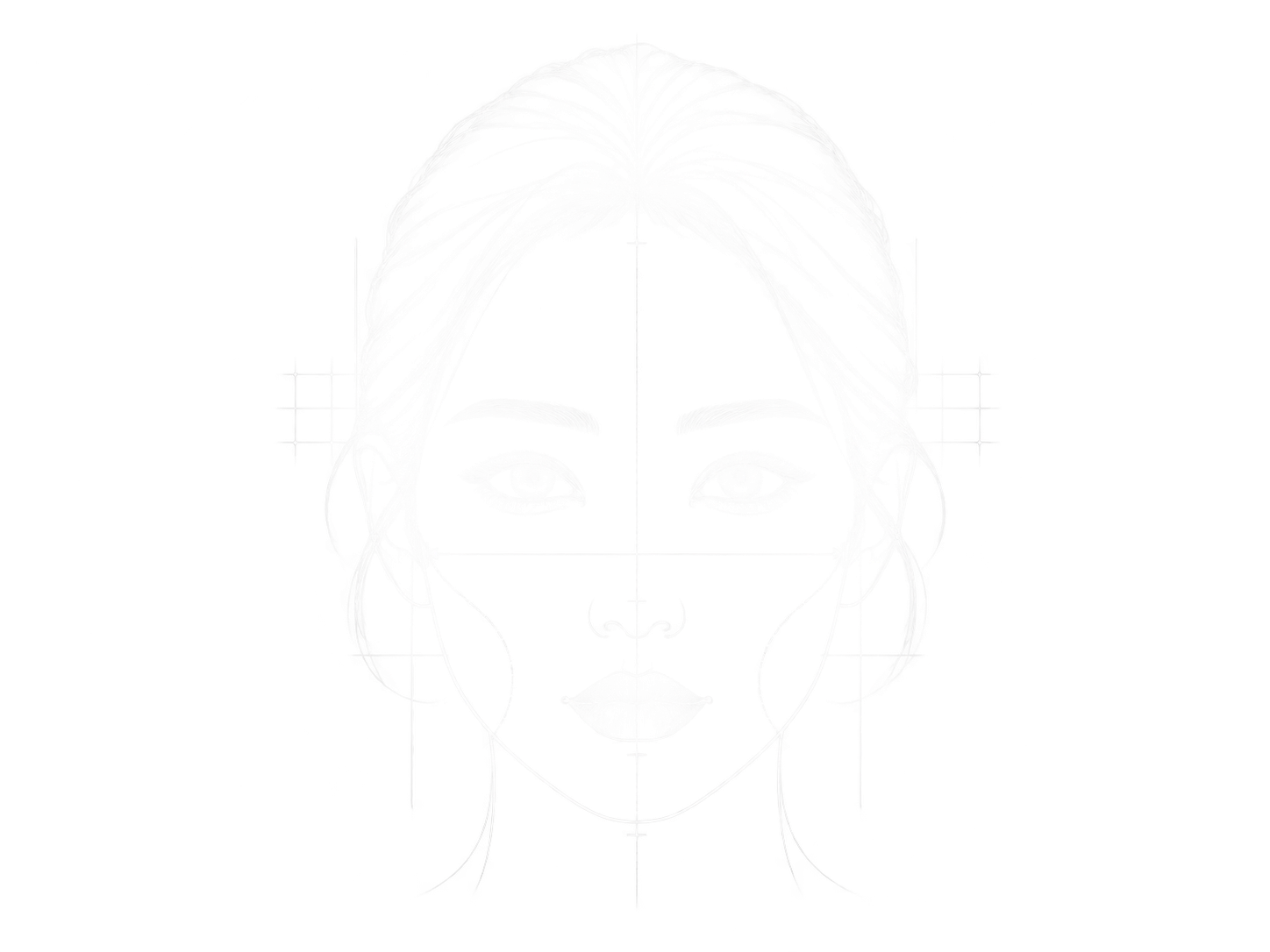
Consider width from the front
We assess the cheekbones and surrounding volume so that filling the lateral cheeks does not make the face appear wider.
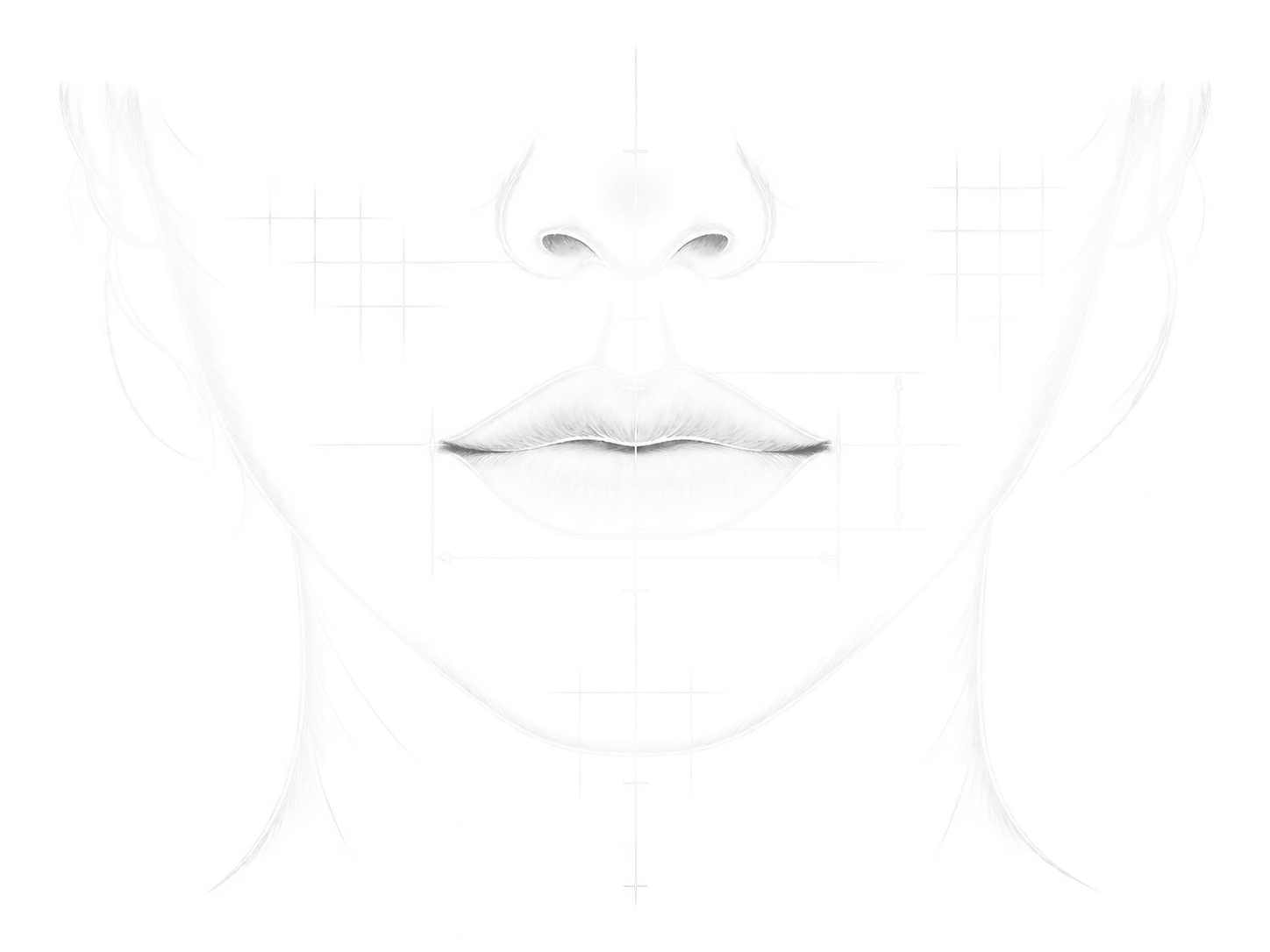
Width and proportion as well as thickness
Thin lips are not treated by adding thickness alone. We assess width, outline and proportions in relation to the face.
Agree on the intended change beforehand,
and review the shape during treatment
We explain the plan using white-pencil markings,
then review the shape with you in a mirror during the procedure.
 Medical Director Hanbaro LeeDirect planning and treatment
Agree on the intended change first
We discuss what looks natural to you and which features you want to preserve.
Explain the plan with facial markings
We explain where to add volume, where to leave unchanged and the amount needed.
Review together during treatment
We use a mirror at intervals and record the treatment areas and amounts used.
Before and after,
recorded over time
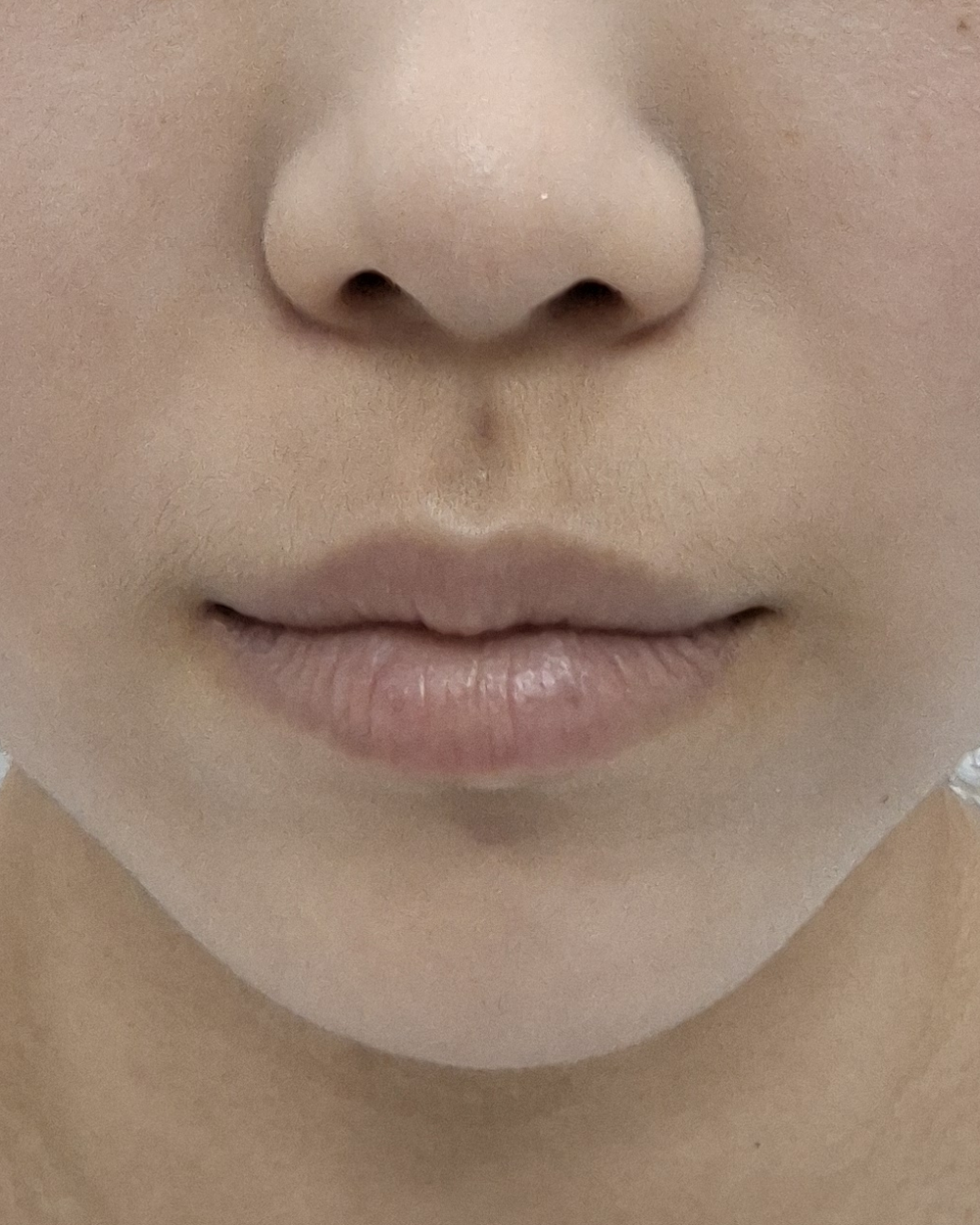
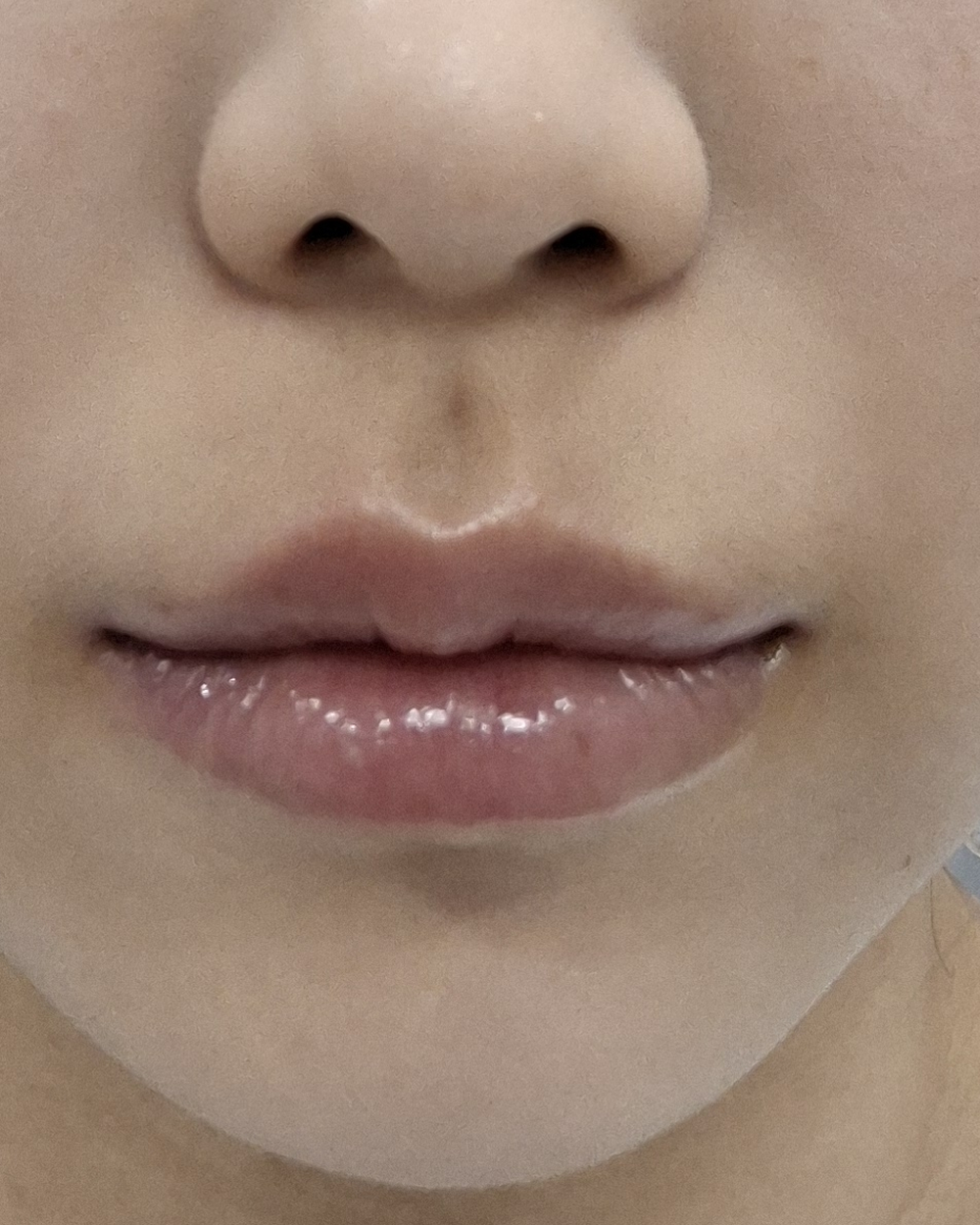
Lip filler
Before-and-after treatment record for the lips.
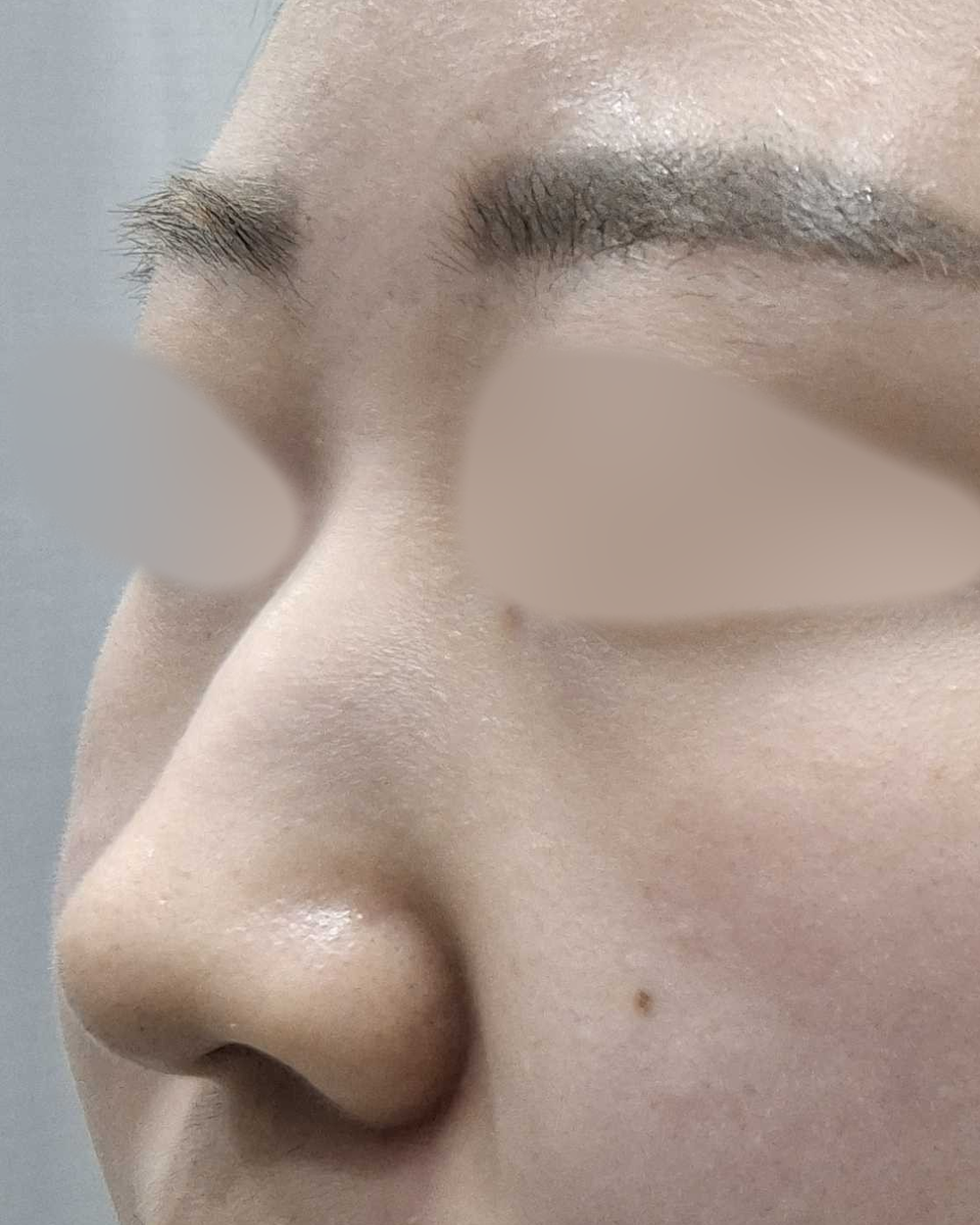
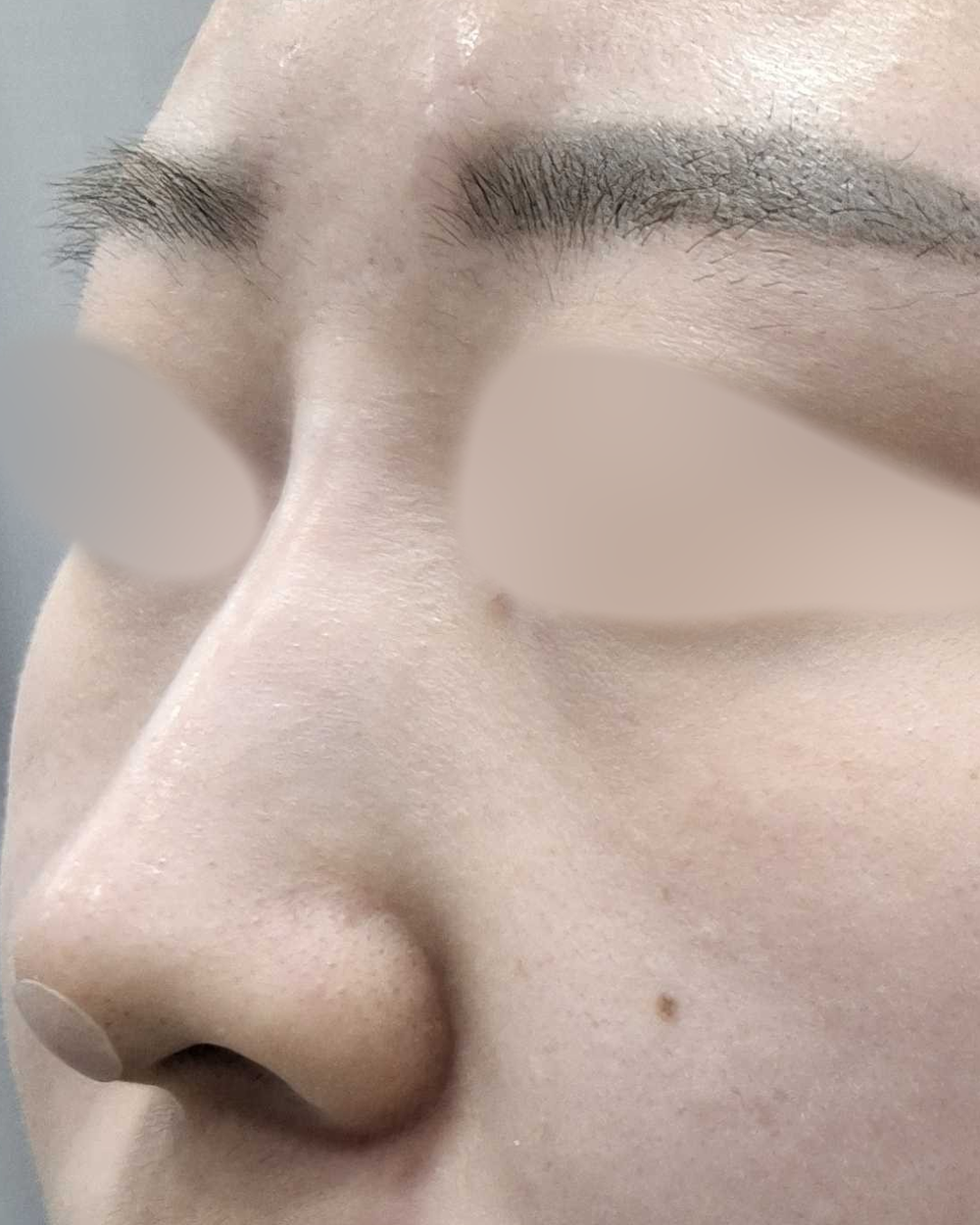
Nose filler
Before-and-after treatment record for the nose.
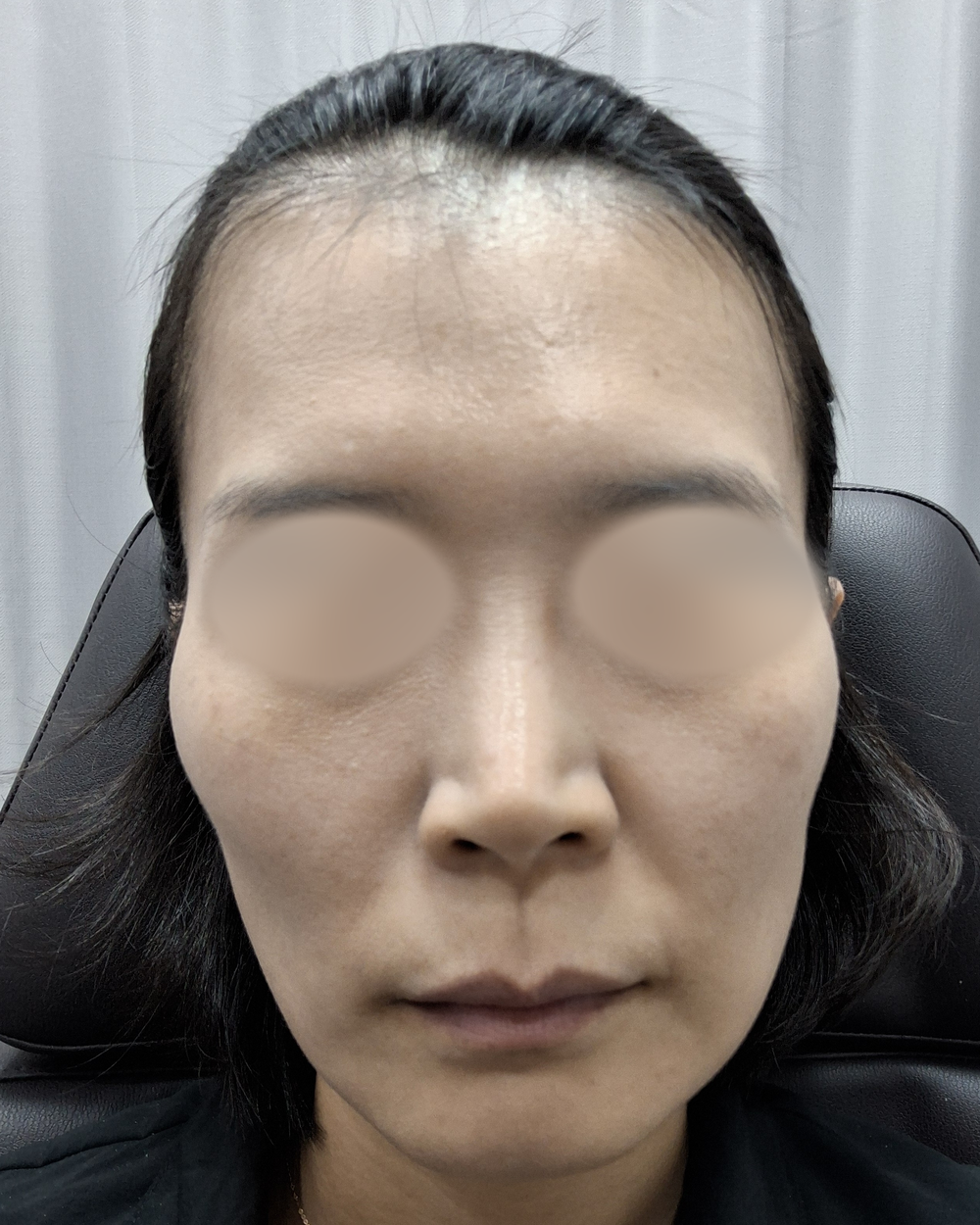
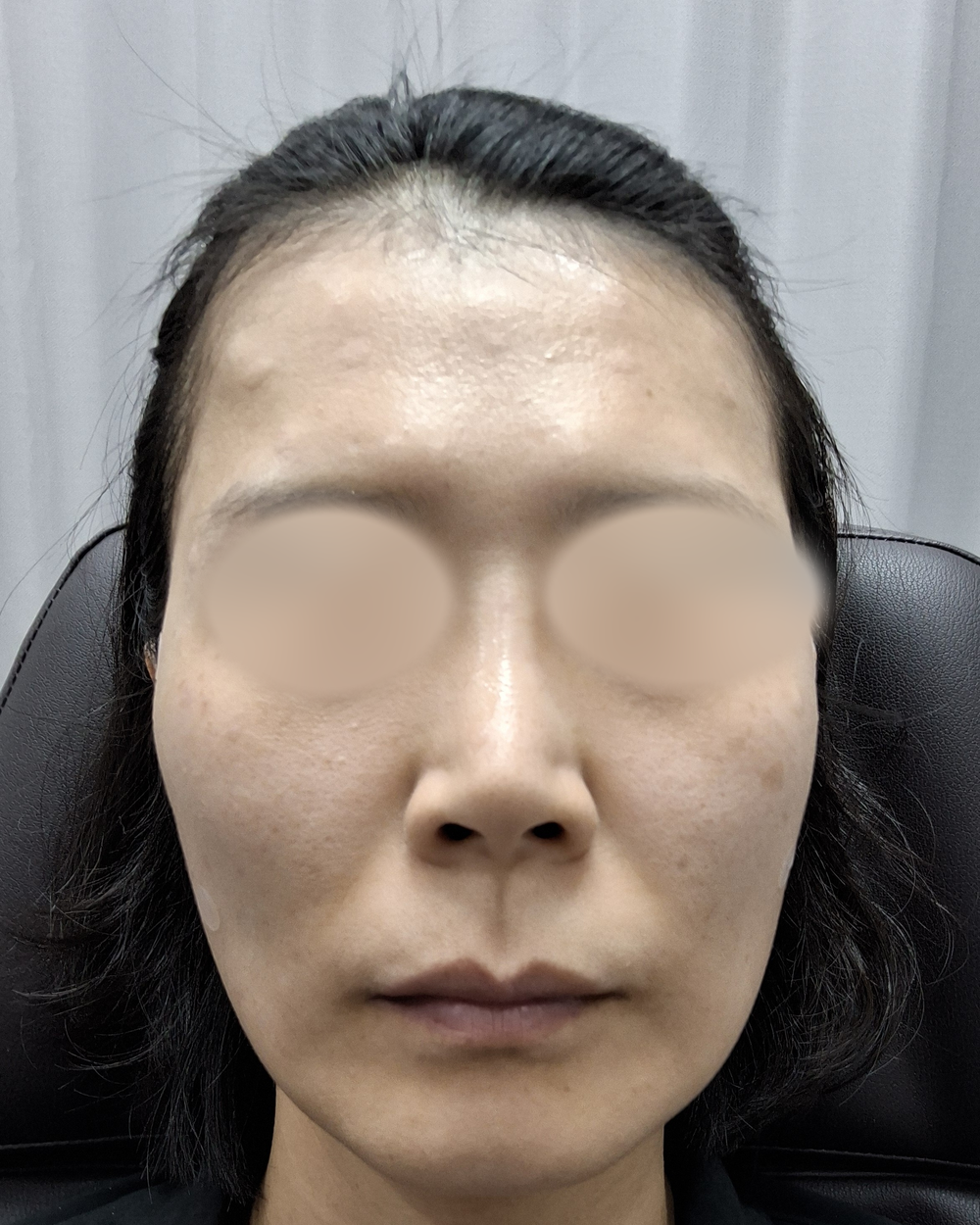
Temple and lateral-cheek filler
A record of the contour from the temples to the lateral cheeks.
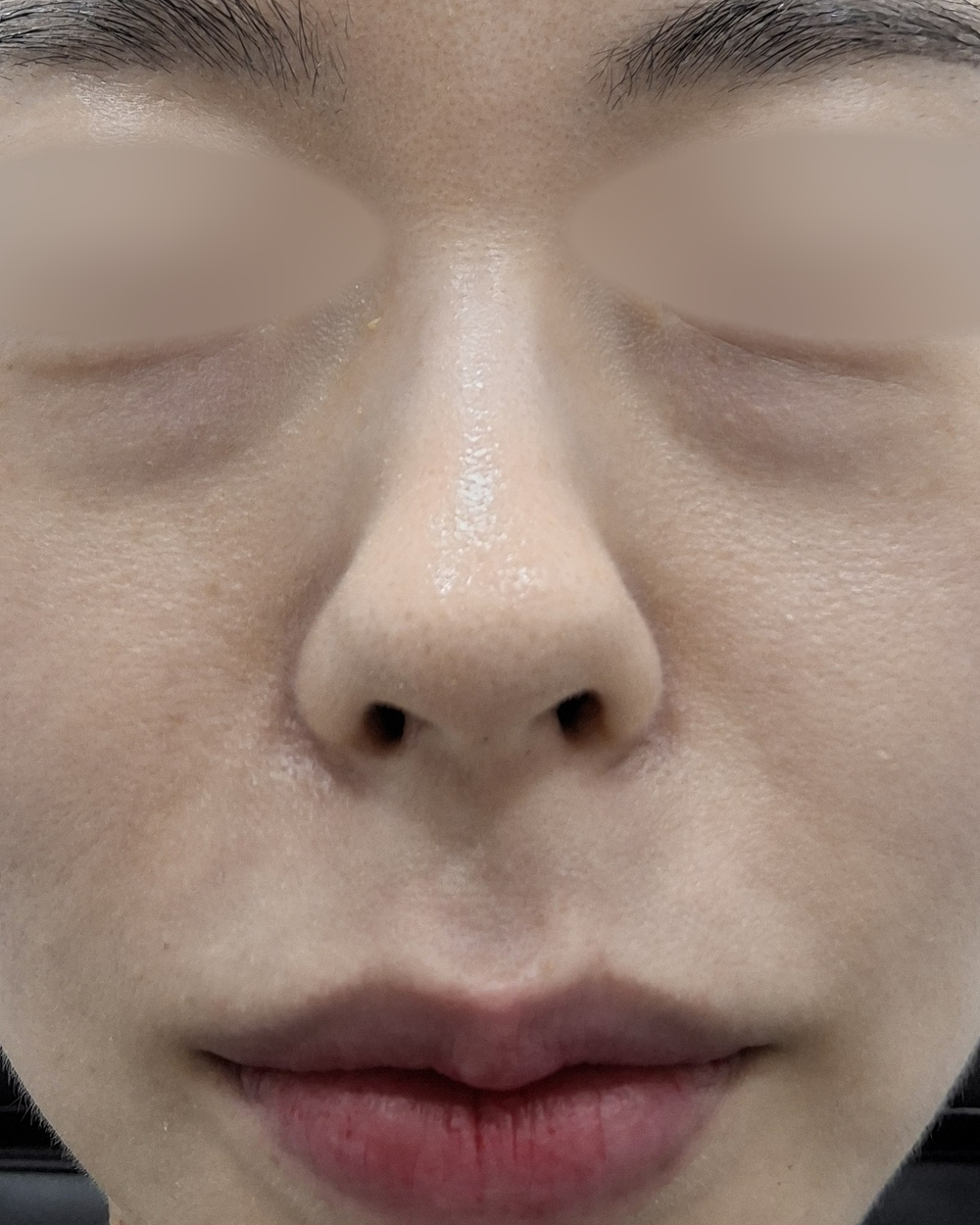
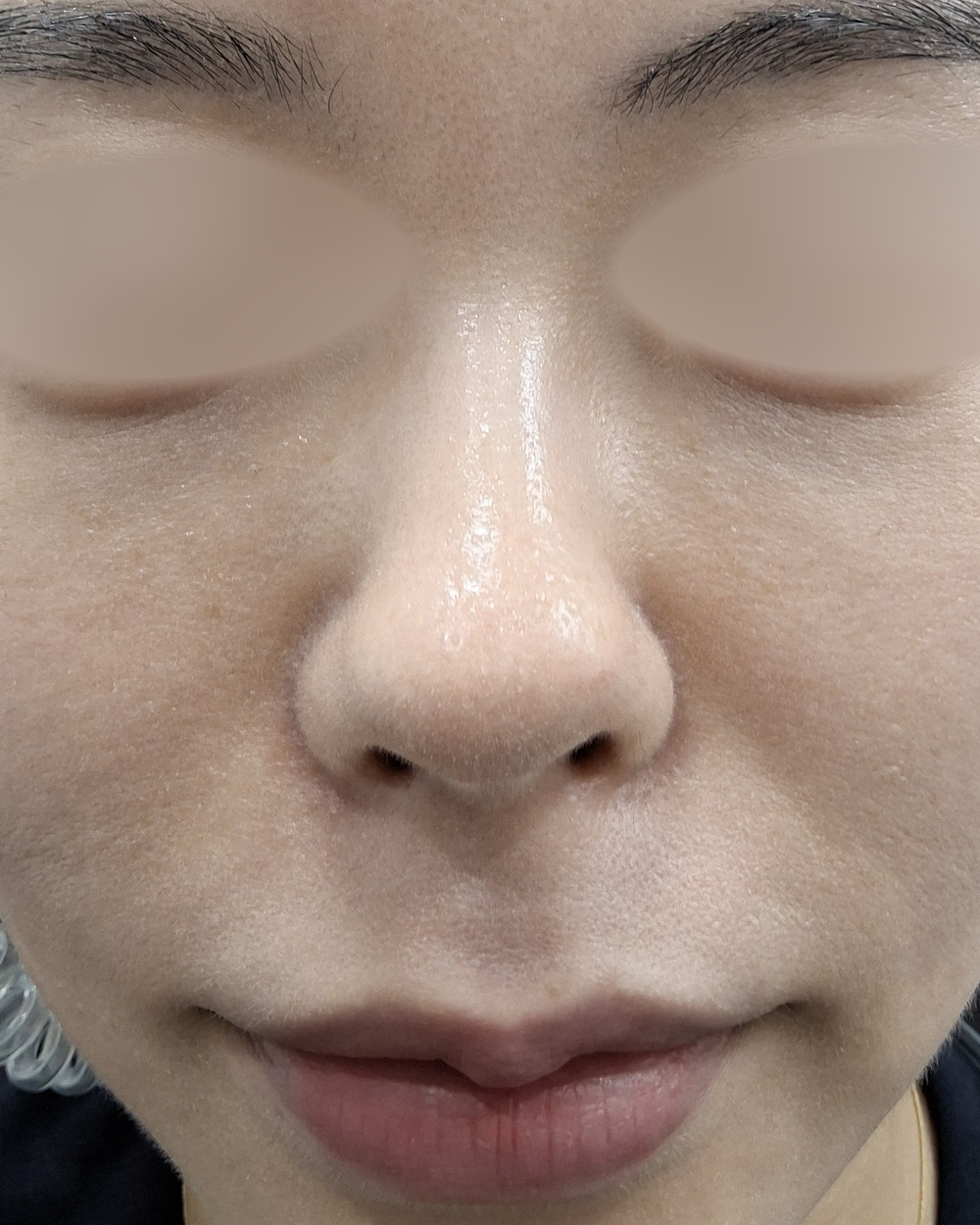
Upper-cheek and tear-trough filler
Before-and-after treatment record around the upper cheeks and tear troughs.
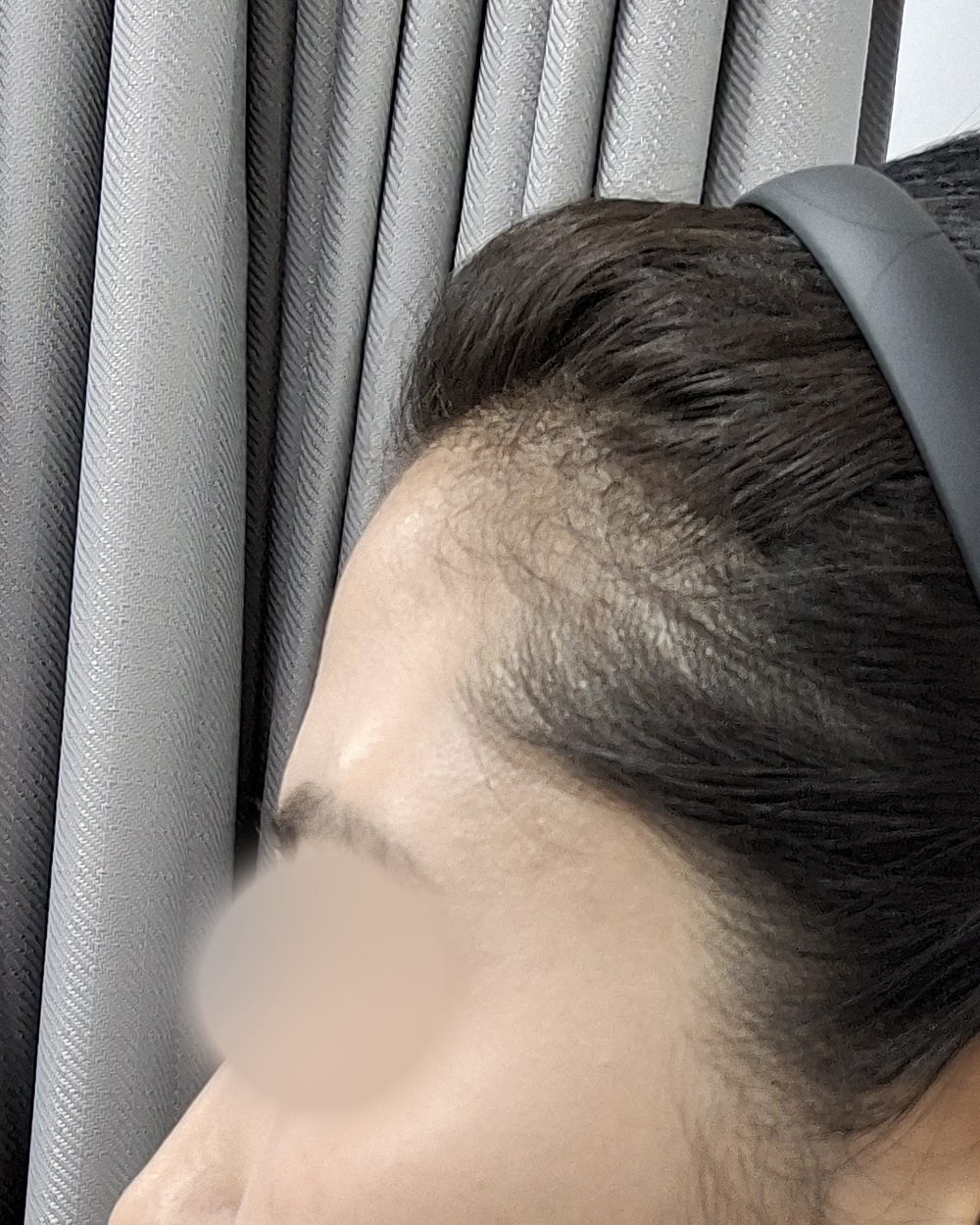
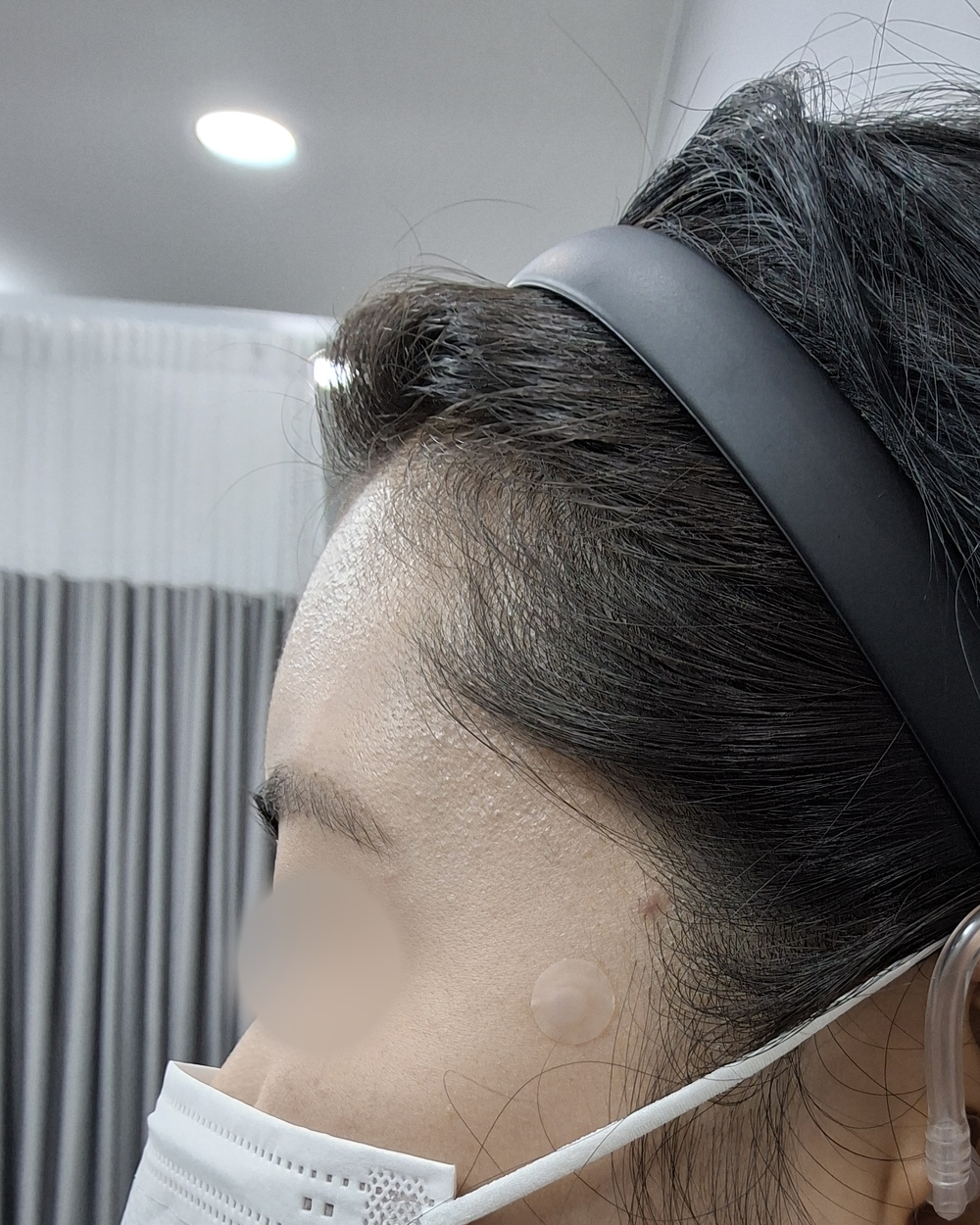
Forehead filler
Before-and-after treatment record for the forehead.
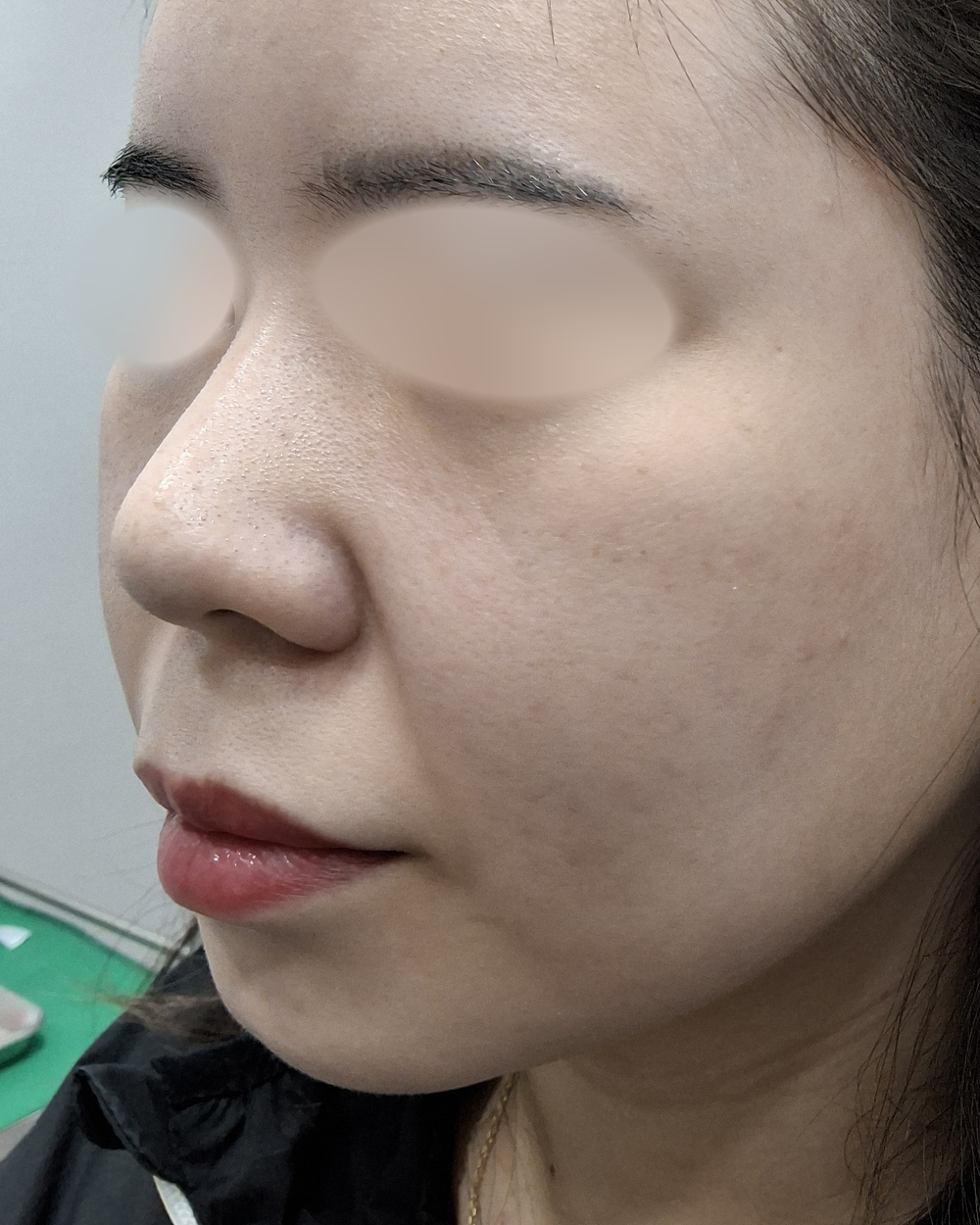
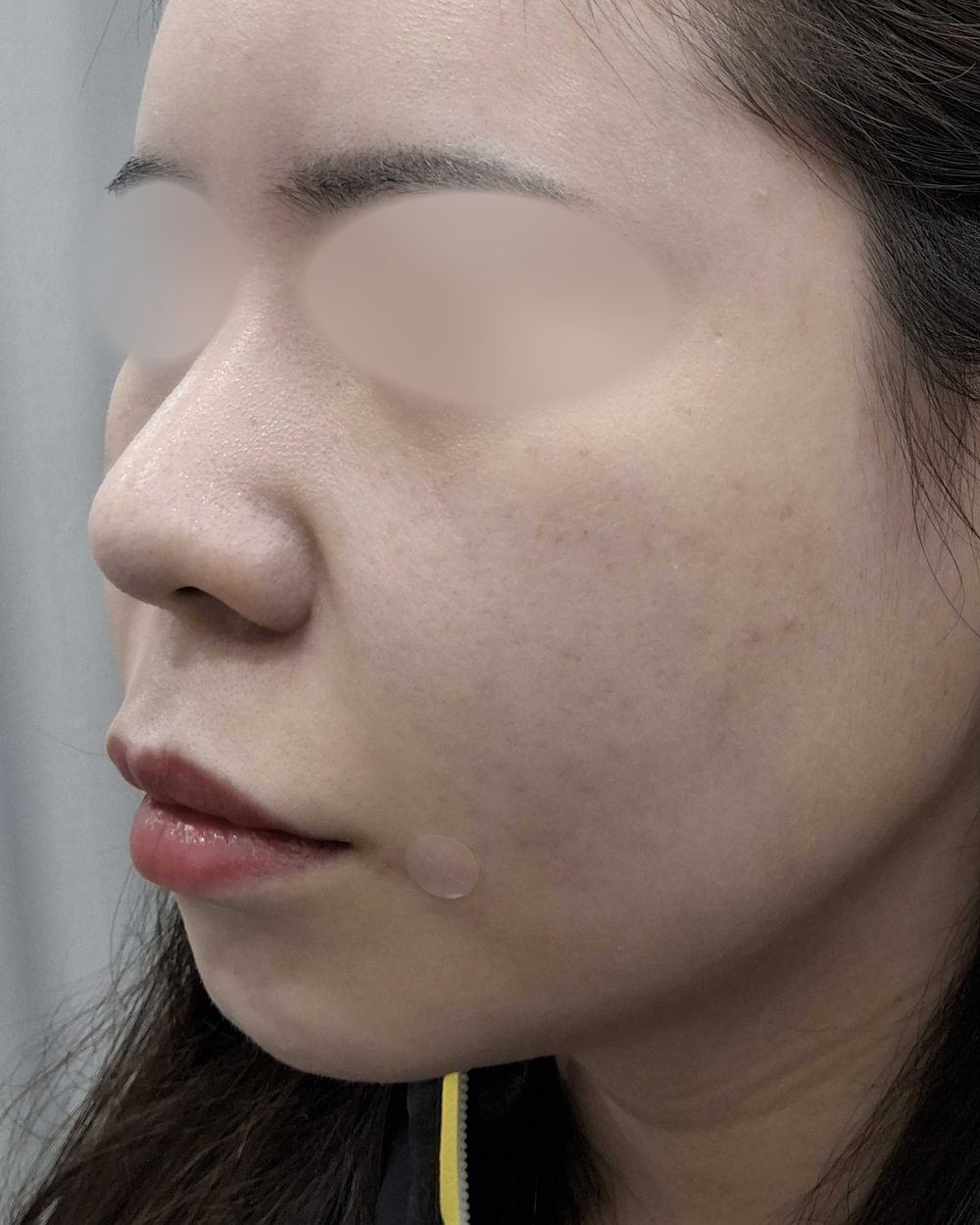
Nasolabial fold filler
Before-and-after treatment record for nasolabial folds.
Results and recovery vary from person to person.
If this is your first filler treatment,
let’s discuss these concerns too
Consider discomfort and changes after treatment as well as the shape.
We explain your questions so that you can understand before deciding.
“Could the filler
move elsewhere later?”
Consider the product, placement and amount together
We plan the product, placement and amount with the possibility of migration in mind. Tell us where and when any previous filler was placed.
“Will it hurt or cause a lot of swelling?”
Discuss discomfort and recovery before deciding
This varies by area and person. Discuss the anaesthesia method and recovery timing first.
Care for each area,
harmony across the whole face
We assess the different volume and movement in each area,
then plan within the proportions and expressions of the whole face.
Forehead · temples
We aim to connect the curve from the forehead to the temples for a smoother side contour.
Under eyes · upper cheeks
We address shadowed transitions with the aim of a more rested-looking eye area.
Lateral cheeks · front cheeks
We connect hollow areas with the aim of restoring dimension across the midface.
Lips
We focus on the outline and corners of the lips, rather than size alone, to create natural-looking volume.
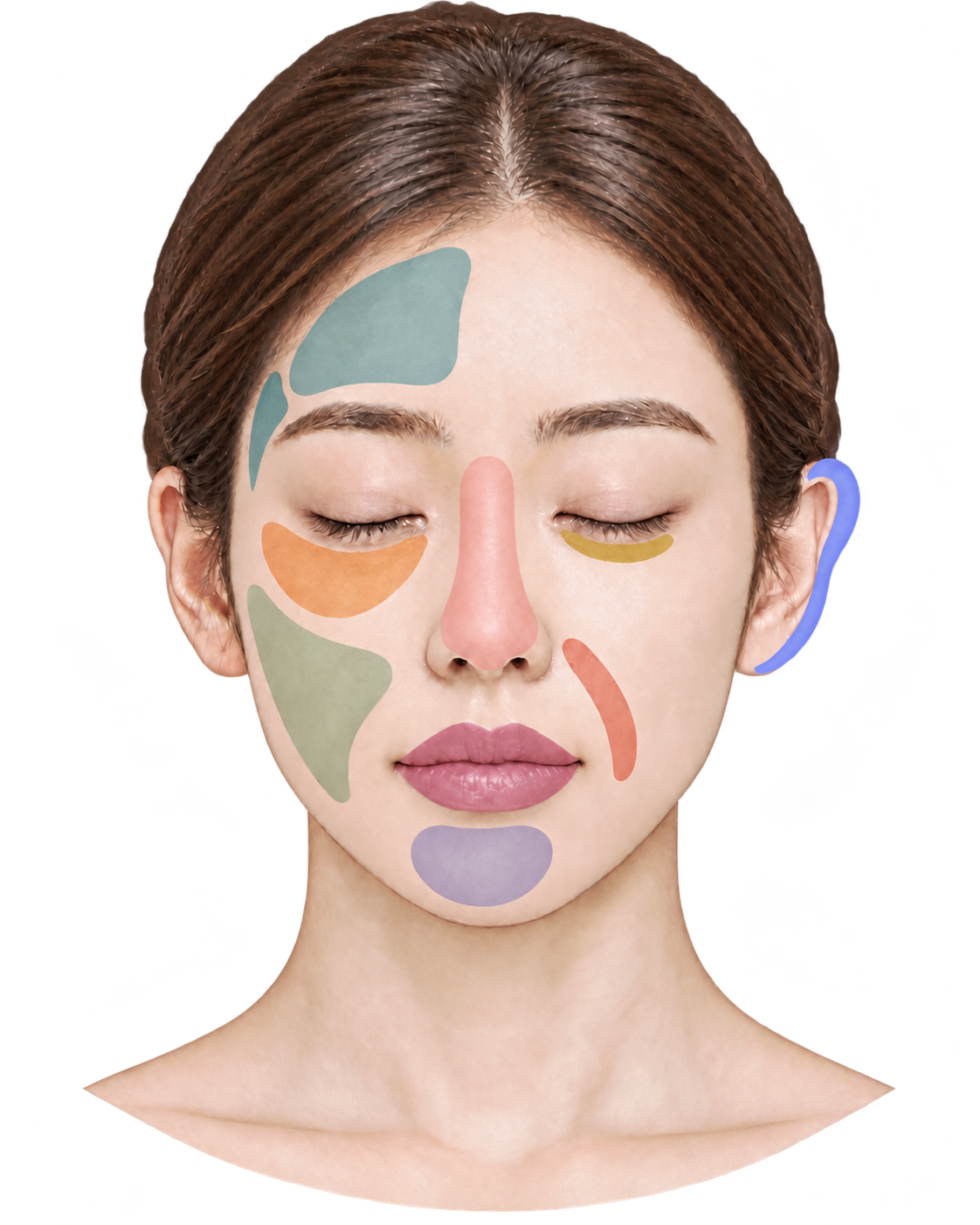
Lower-eyelid fullness
We add only the volume intended to appear naturally when smiling.
Ears
Volume behind the ears can be supplemented to define the ear contour seen from the front.
Nose
We assess the bridge and tip in relation to the forehead, lips and chin.
Nasolabial folds
We address deepened transitions with the aim of a softer appearance.
Chin
The length and direction of the chin help balance vertical facial proportions.
Filler or collagen booster:
what is the difference?
Filler and collagen boosters support volume through different mechanisms.
They may be planned separately or together according to the area and goal.
Hyaluronic acid fillers
For areas such as the lips, forehead and chin, we assess shape and contour while reviewing the appearance during treatment.
Collagen-stimulating treatments
Collagen production is stimulated to encourage gradual change. The timing and suitable areas differ from filler, so the choice depends on your goals.
You do not necessarily need both. We explain the options needed for the change and area you have in mind.
Hyaluronic acid fillers
Directly supplements volume in hollow areas.
The formulation is selected according to movement in the area and the support needed.

Atière
Made in Korea
The Chaeum
Made in Korea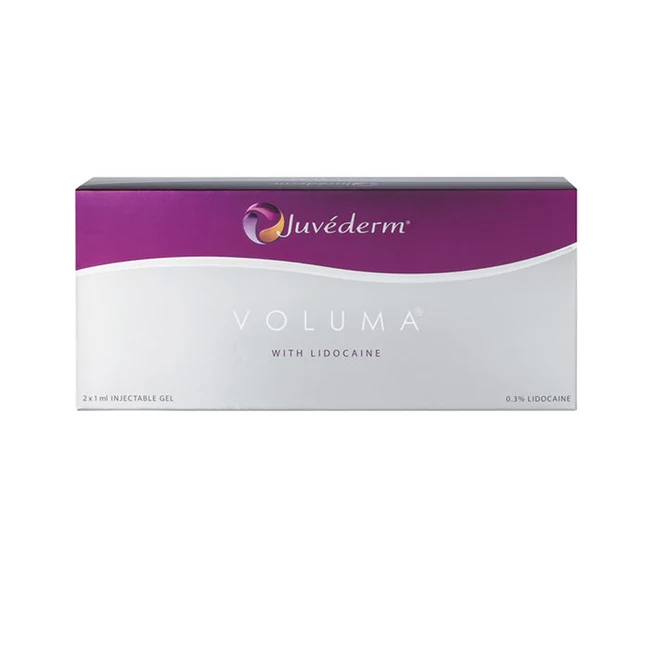
Juvéderm
Imported
Belotero
Imported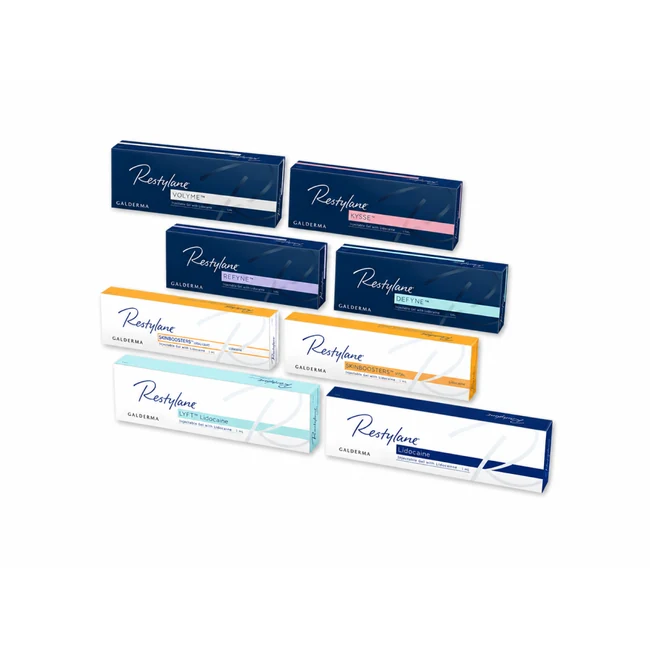
Restylane
ImportedCollagen-stimulating treatments
Stimulates collagen production to support volume gradually.
We assess broadly hollow areas together with skin density.
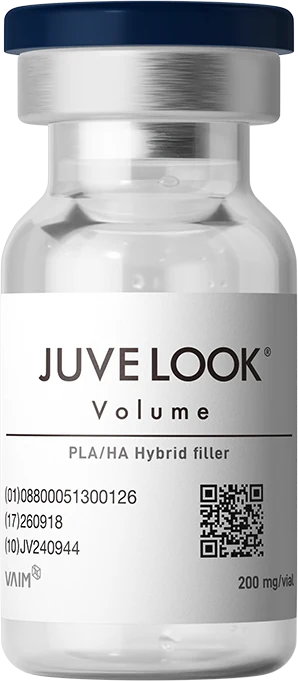
Juvelook Volume
Contains biodegradable PDLLA and hyaluronic acid. Suitability is assessed according to the hollow area and skin condition.

Radiesse
A CaHA gel supports volume and stimulates collagen production. We assess contours and skin condition when planning the scope.
Three signature approaches
for sagging, volume and skin concerns
Facial changes do not have just one cause.
We distinguish sagging contours, volume loss and changes in skin condition,
then plan suitable approaches together.
Rewind thread lift
We assess the position and direction of descended tissue and plan lifting paths that suit your original contours.
Design filler
We distinguish where to add volume and where to leave unchanged, considering the proportions and appearance of the whole face.
All-in-One program
A plan that considers pigmentation, pores, texture and firmness, supported by digital skin imaging.
Treatment begins
after you understand and decide
Consultation → area assessment → treatment → aftercare guidance.
The medical director personally plans and performs the treatment.

- 01
Discuss your concerns
Explain the change you would like and your experience with previous procedures.
- 02
The medical director explains
Treatment areas are marked with a white pen to explain the plan.
- 03
Filler treatment
We review the shape during treatment and record the amount used.
- 04
Photography and aftercare
Before-and-after photographs are recorded and aftercare is explained.
Reviewing changes after treatment,
one step at a time
From early swelling to the settling process.
Recovery and progress vary from person to person.
How the result settles after treatment
Recovery and progress vary- Treatment day
Immediate review after treatment
Swelling and bruising may change the appearance.
Follow the precautions explained after the procedure. - Early recovery
Individual recovery
Swelling and bruising may settle over days to weeks.
Tell us about important plans before the procedure. - Depending on your condition
Settling
We review how the result is settling with the tissues.
If needed, any adjustment can be discussed at this stage. - Ongoing care
Maintenance and care
We discuss when to consider further treatment according to the area and absorption rate.
“I consider where to leave unchanged as carefully as where to add volume.”
Thin lips do not mean adding thickness alone, and hollow cheeks do not mean adding volume alone. We consider facial proportions and the change you want, then explain the scope needed.
Medical Director Hanbaro LeeCommon questions before deciding
Before deciding how many cc,
consider what change is needed
- The degree of change you wantTell the medical director what looks natural to you and which features you want to preserve.
- Product, area, amount and costConfirm what will be used, where, how much, why it is recommended and the total cost.
- Previous filler and recovery timingTell us the areas and dates of previous procedures, as well as any important upcoming plans.
You can have a consultation without choosing a procedure or program.
Decide after reviewing the explanation and cost.
Plan your visit,
by message
Message us with your preferred dates and questions. Your appointment is confirmed after the clinic checks availability.

Opening hours
- Mon–Fri
- 10:00–20:00Lunch 13:00–14:00
- Saturday
- 10:00–16:00No lunch break
- Sunday
- Closed