Rewind thread lift
REWIND THREAD LIFTINGSagging cheeks and jawline,
towards contours that feel like you
A lifting plan that considers your original features

A face that looks heavier than before
Where has it changed?
We assess connected sagging around the nasolabial folds, mouth and jawline.
“My nasolabial folds look deep in every photo.”
For folds that look shadowed at rest, we first assess the sagging cheek tissue.
“The cheeks around my mouth have sagged and make me look stern.”
We assess the degree and direction of lower-cheek sagging around the mouth.
“My jawline is losing definition. I’d like it back.”
We assess the less defined contour from below the ears to the chin.
The direction that suits your face
comes before pulling harder
Lift sagging areas without making hollow areas look more prominent.
We plan the path according to your face shape and expression.
Pulling sagging areas without considering the whole face
may make hollow areas more prominent,
or change your original expression and appearance.
Consider the balance of the whole face first
Assess sagging and hollowing together,
then decide the direction and scope for your facial contours.
 Medical Director Dr. Hanbaro Lee
The medical director handles planning, treatment and progress reviews
We do not start by deciding the thread type or number.
We examine your face and decide the areas and directions needed.
Is this the right lifting approach for me?
Four questions come first
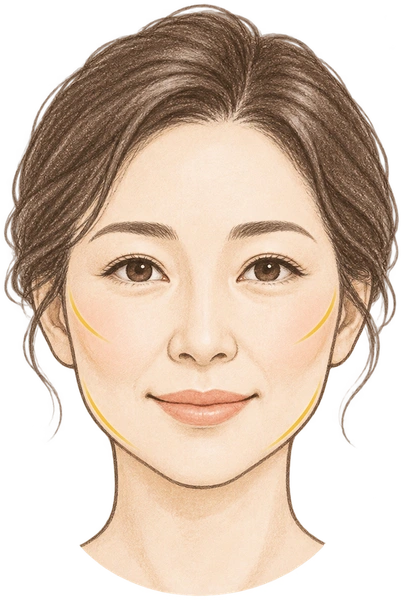
Is sagging the main concern?
We assess how far the cheek above the nasolabial fold and the lower cheek have descended, then consider the direction and scope of lifting.
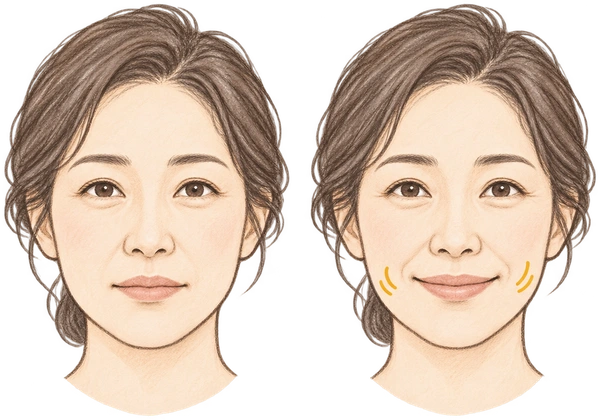
Is there hollowing as well?
The relationship between the cheekbones, temples and lateral cheeks helps guide a path that does not accentuate hollow areas.
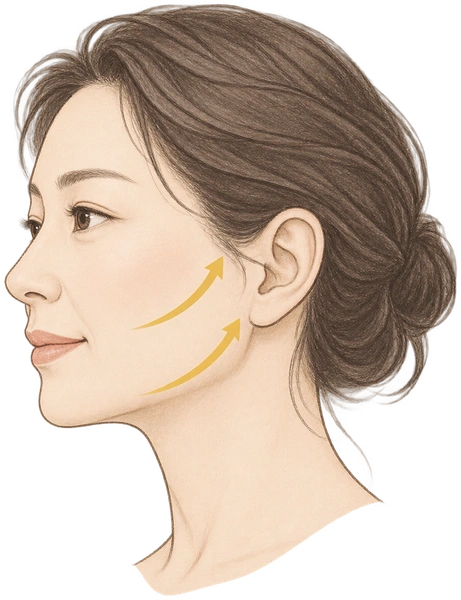
How much tissue is present?
The amount and weight of tissue may mean another approach should be considered before a thread lift.

Do you have an important event?
Plan the procedure and follow-up around the time needed for bruising, swelling and tightness to settle.
The same approach
is not recommended for all sagging
Tissue weight and hollowing may mean that another treatment should be considered first.
The reverse-mesh technique: support in several directions
Shorter threads are placed in several directions and layers
to share support for the weight of the facial tissues.
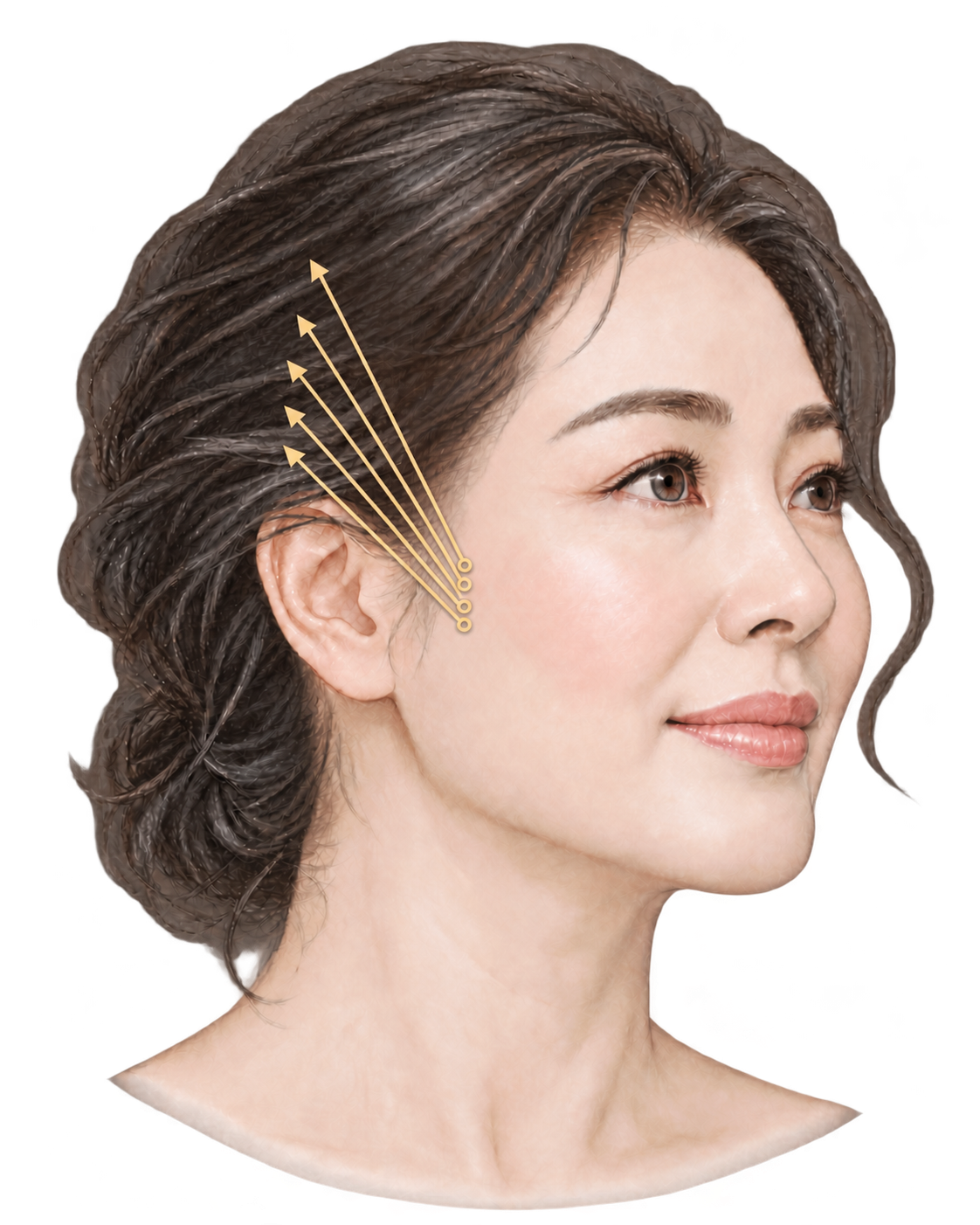
Reverse direction towards the scalp
The path is planned from in front of the sideburns towards the scalp.
Placement at different angles and depths
Short threads are placed at different angles and depths.
A structure that distributes support
Several paths share support for the weight of the tissue.
Areas treated with Rewind thread lifting
Changes beneath the eyes, around the nasolabial folds and around the mouth are connected.
Lifting directions are planned for the sagging in each area.
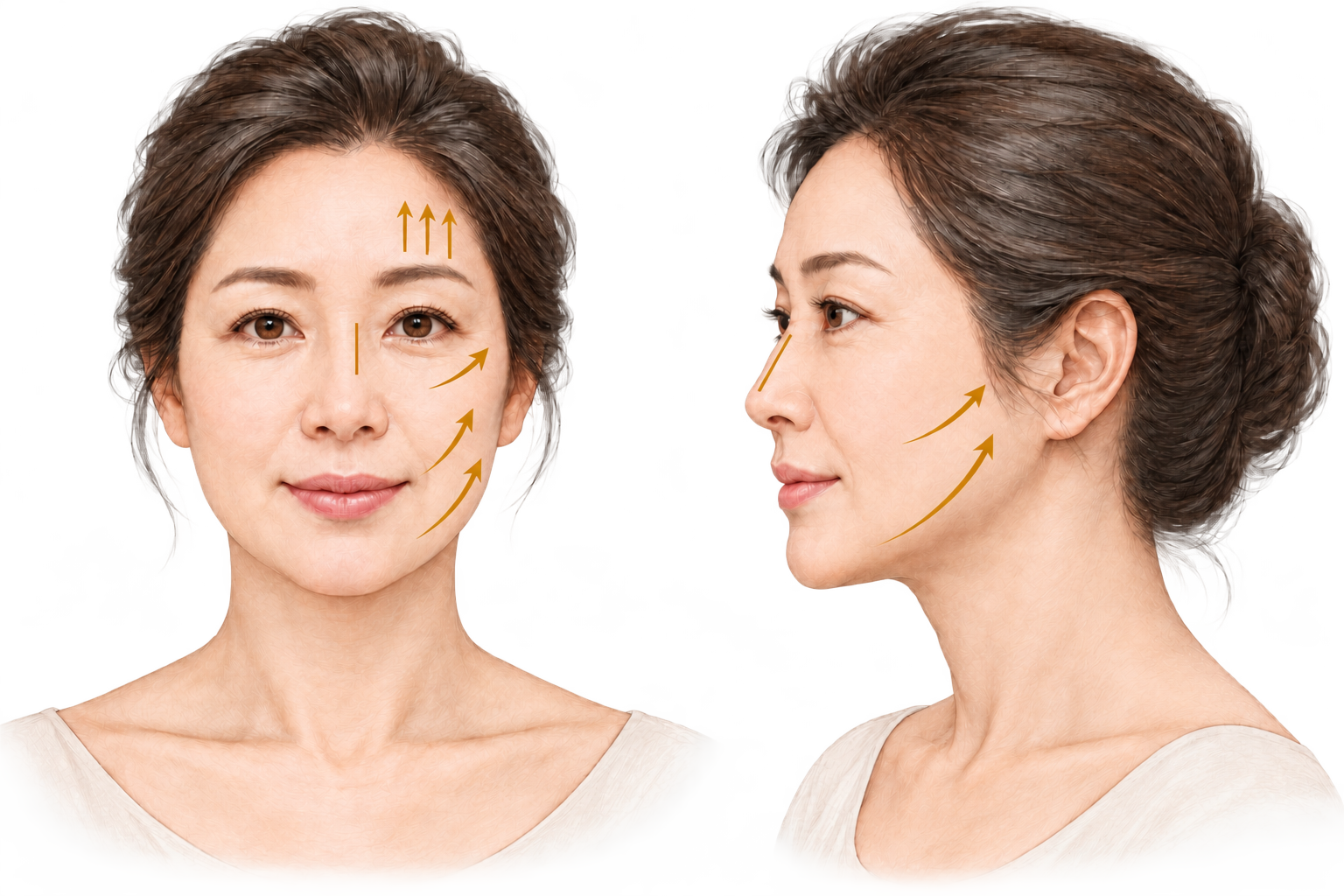
Under eyes · upper cheeks
We assess the junction between the under-eye area and upper cheek, considering both volume loss and sagging.
Around the nasolabial folds
We assess descent of the cheek above the fold and plan the lifting direction.
Lower cheeks · around the mouth
The treatment scope is planned according to the tissue around the mouth and the flow of the facial contour.
We use genuine, verified thread products
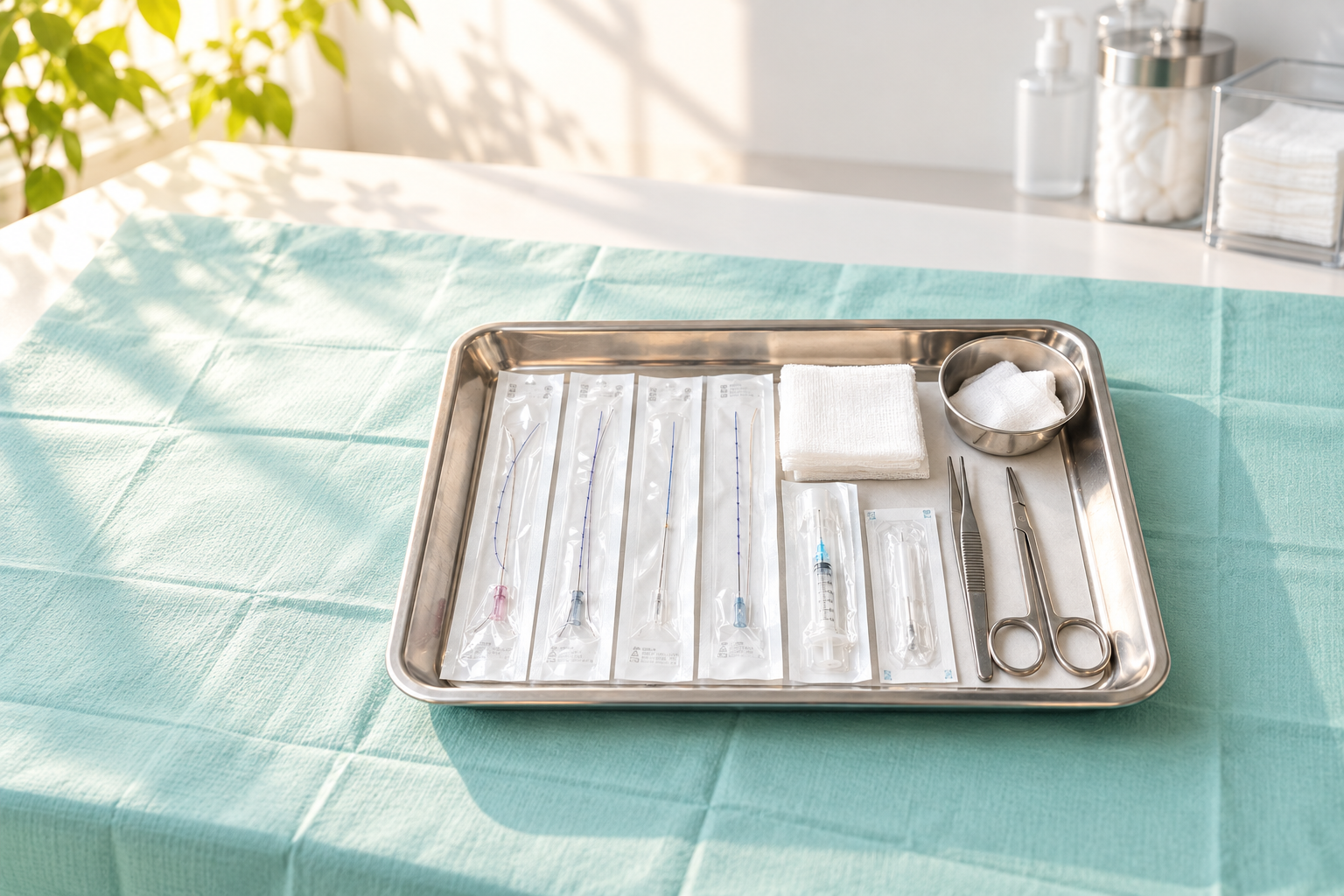
We use genuine MINT and Mijuko products.
Threads are selected according to the face and treatment area.
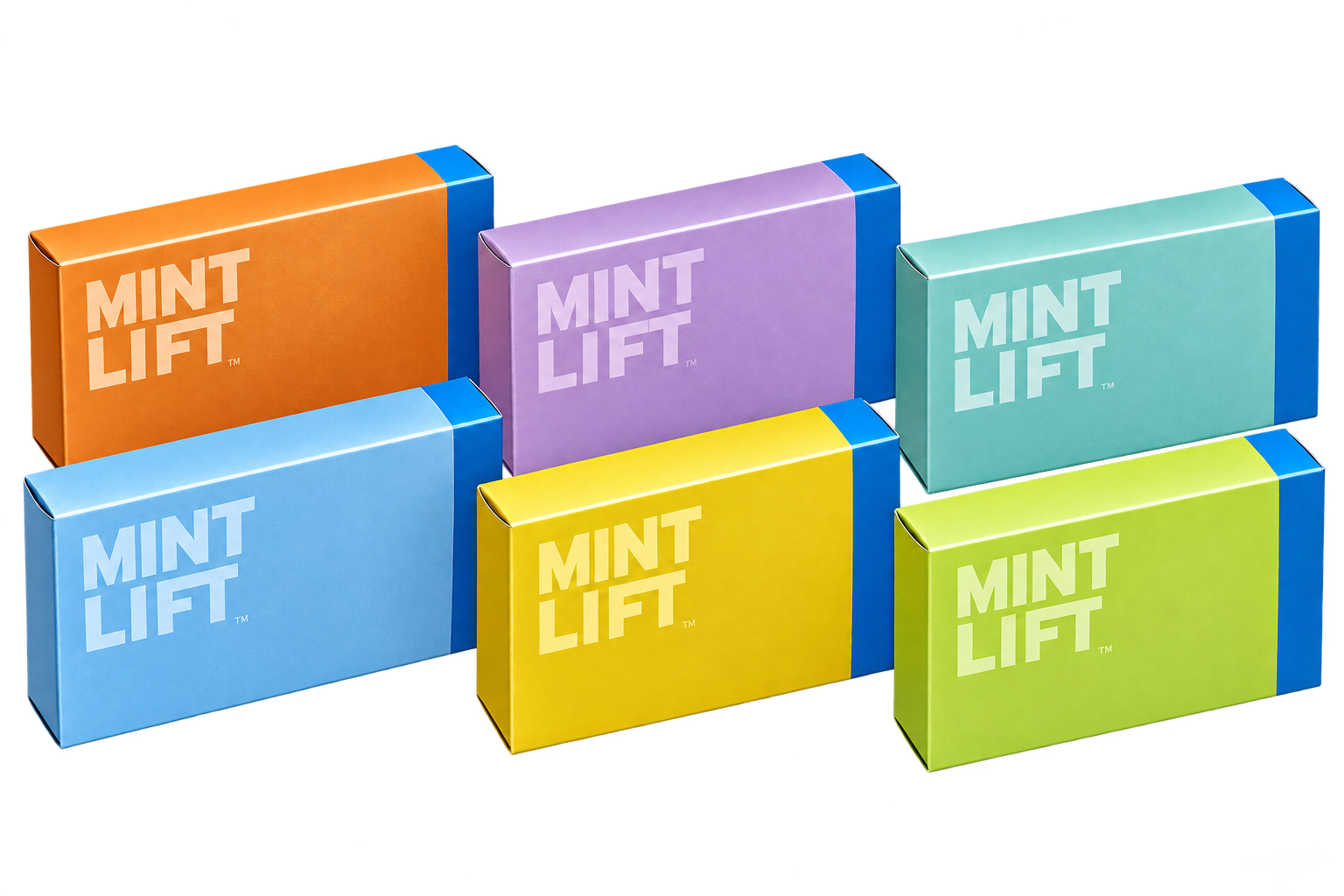
MINT
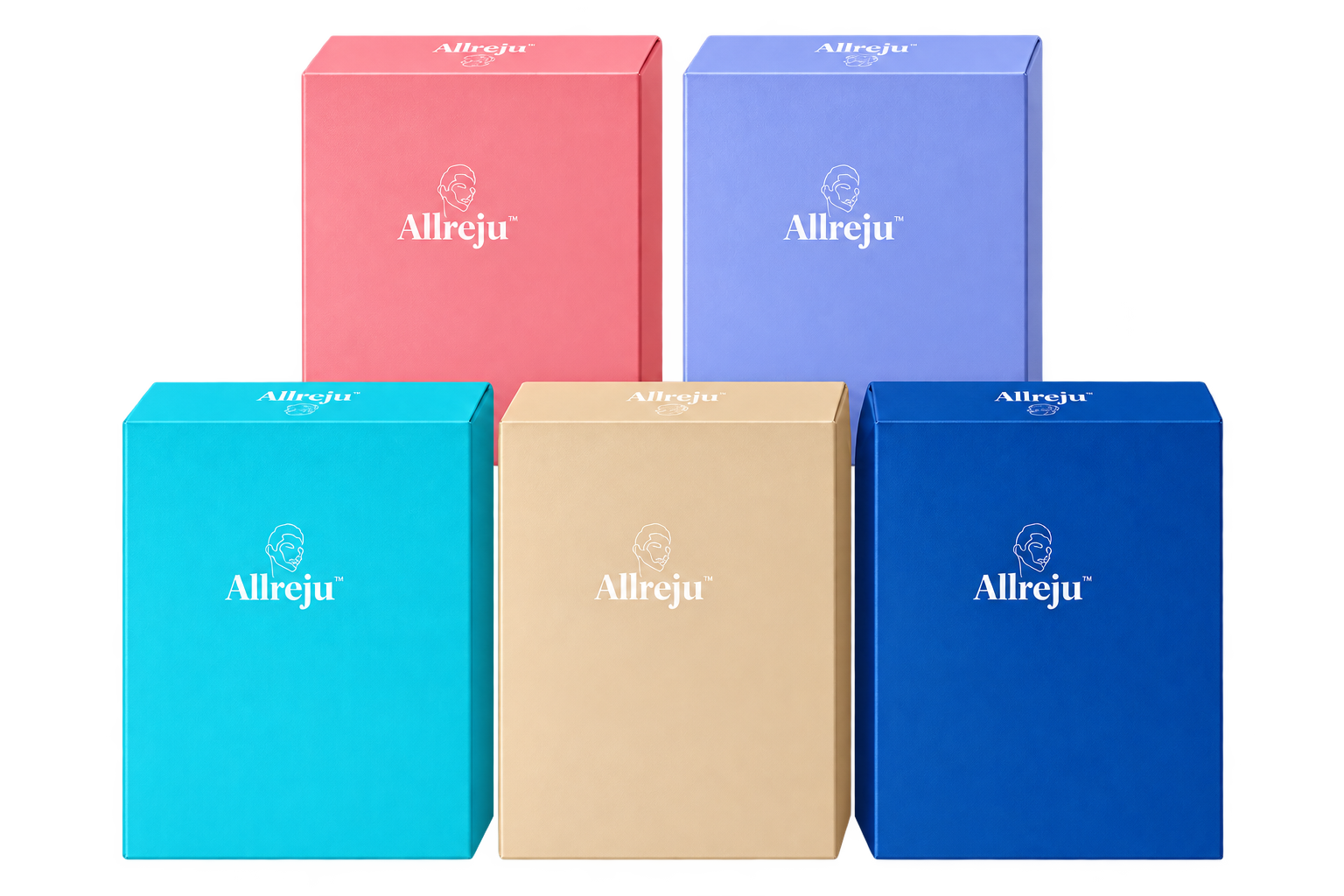
Mijuko
Three signature approaches
for sagging, volume and skin concerns
Facial changes do not have just one cause.
We distinguish sagging contours, volume loss and changes in skin condition,
then plan suitable approaches together.
Rewind thread lift
We assess the position and direction of descended tissue and plan lifting paths that suit your original contours.
Design filler
We distinguish where to add volume and where to leave unchanged, considering the proportions and appearance of the whole face.
All-in-One program
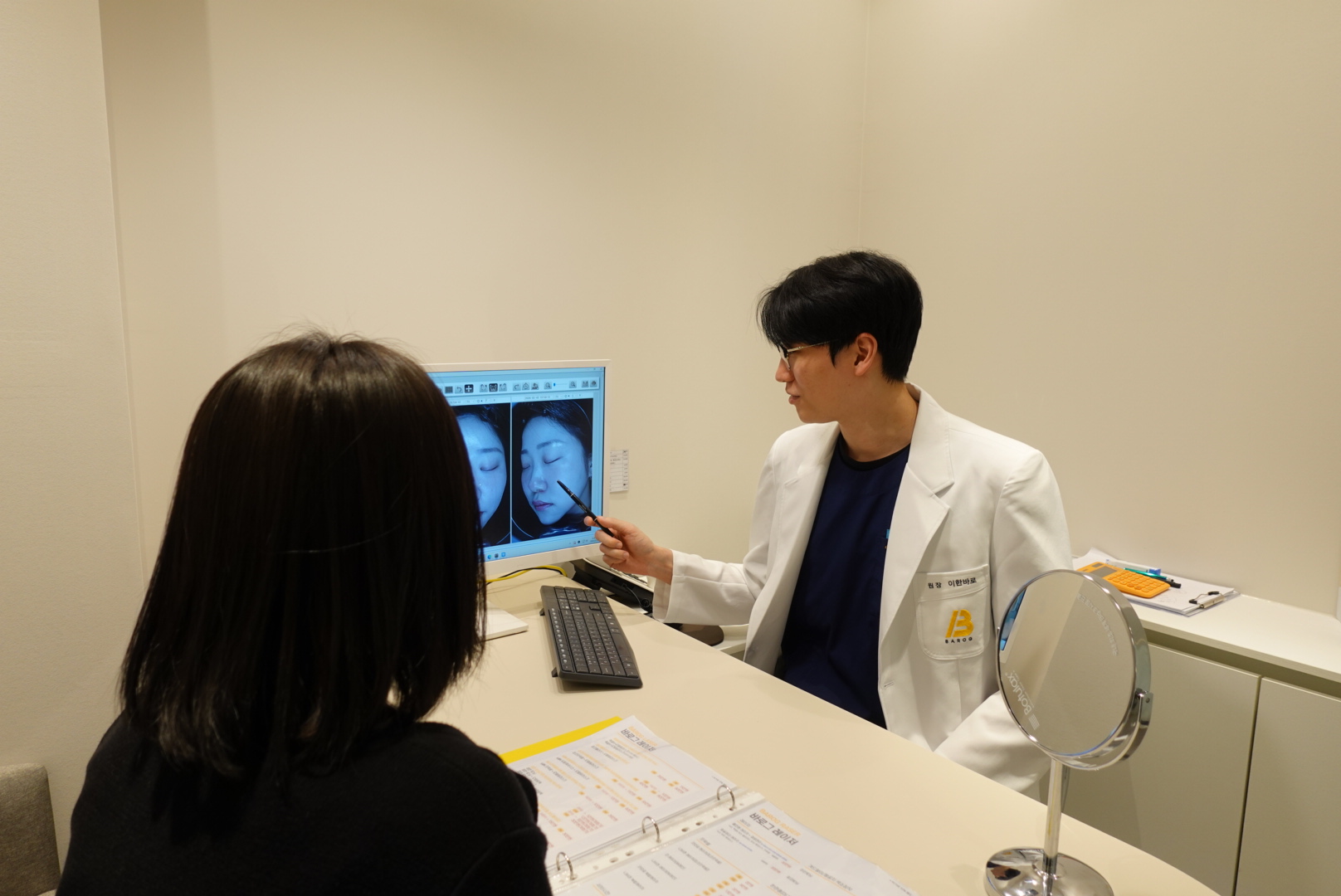
A plan that considers pigmentation, pores, texture and firmness, supported by digital skin imaging.
From consultation to going home
Knowing the steps in advance can help ease concerns.
We explain what you need to know at each stage.
 01
Consultation and assessment
We first discuss the areas that concern you and any worries about pain.
 02
Facial-contour planning
We assess sagging and hollowing to plan directions appropriate to your face.
 03
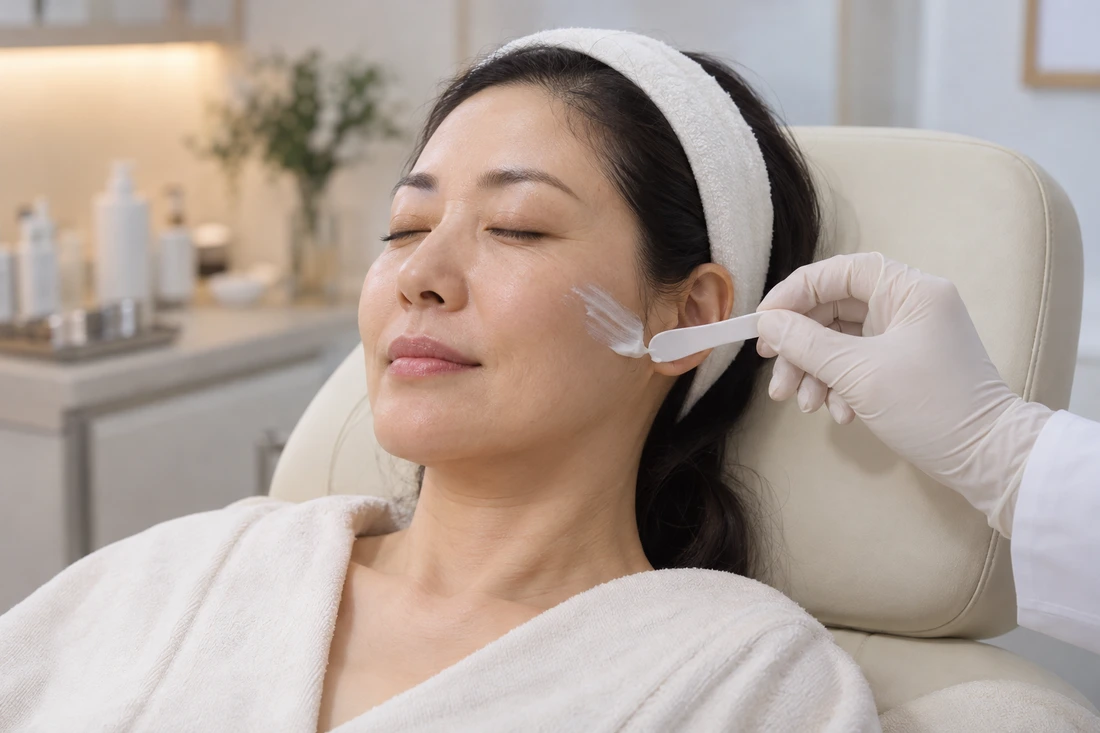
Two-stage anaesthesia
Topical numbing cream is followed by local anaesthetic injections.
 04
Individual treatment
The planned procedure uses the prepared genuine threads.
 05
Final review and guidance
We check your condition after treatment and explain care after you go home.
Plan ahead
for recovery time too
Avoid strong irritation while the threads settle.
Recovery speed and treatment responses vary.
Avoid heat, alcohol and strenuous exercise
For around one week, avoid hot baths, saunas, steam rooms, alcohol, smoking and strenuous exercise.
Monitor bruising and swelling
Bruising and swelling gradually settle over one to two weeks after the procedure.
Avoid massage and exaggerated facial movements
Avoid meridian massage, massage over the treatment area and excessive facial-muscle movement, as these may reduce the effect of thread lifting.
Facial movement may cause discomfort, pain or a foreign-body sensation; these gradually ease with time.
Review symmetry and discomfort
We assess the treated area, pain and asymmetry, and check whether any adjustment is needed.
Review your current facial contours
We review changes over time and discuss future care. This does not commit you to another procedure.
“I consider how much you still look like yourself, not simply how much you have changed.”
I will oversee the process from planning through recovery, with care for your original expression and facial contours.
Medical Director Hanbaro LeeBefore and after,
recorded over time
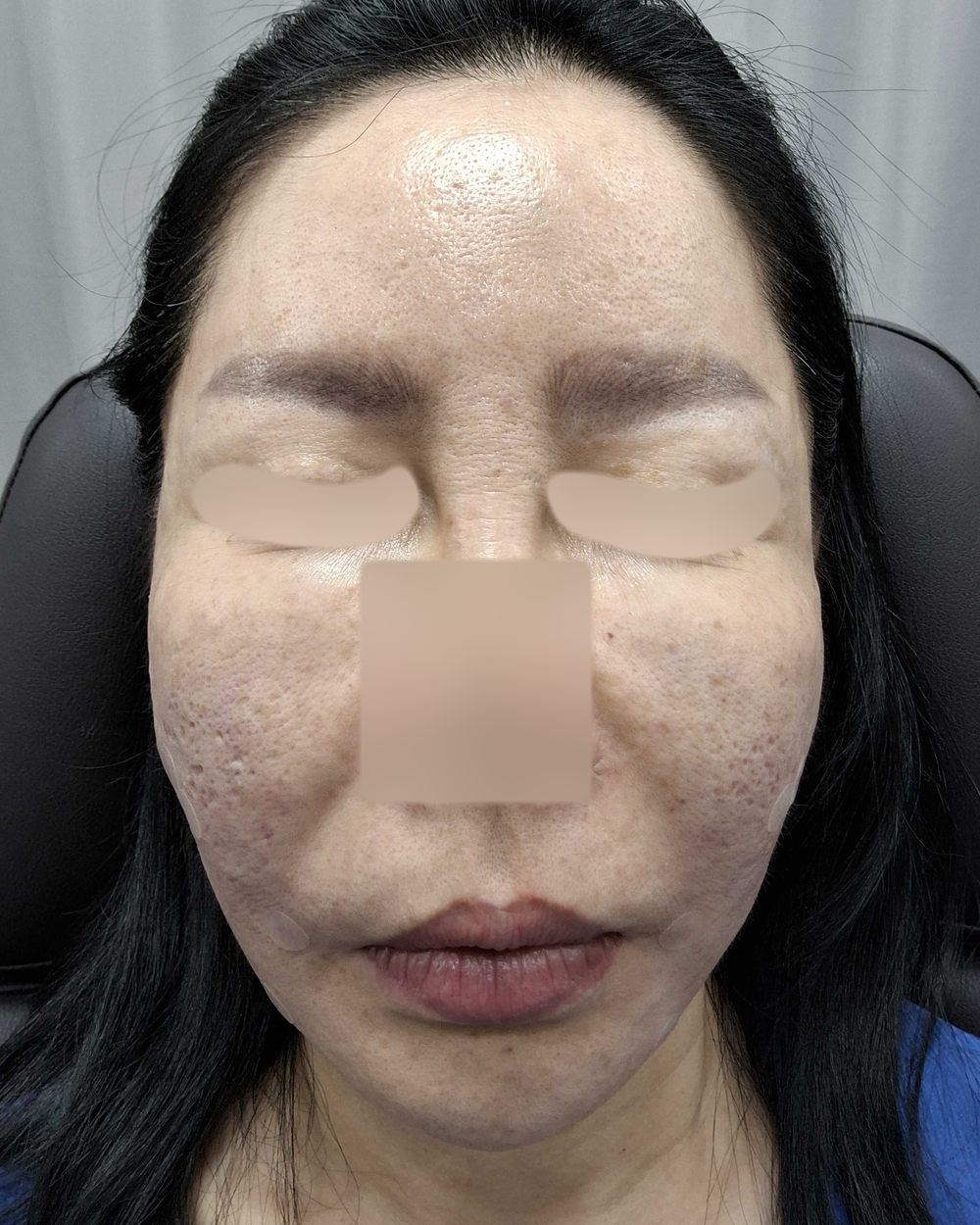
Before treatment
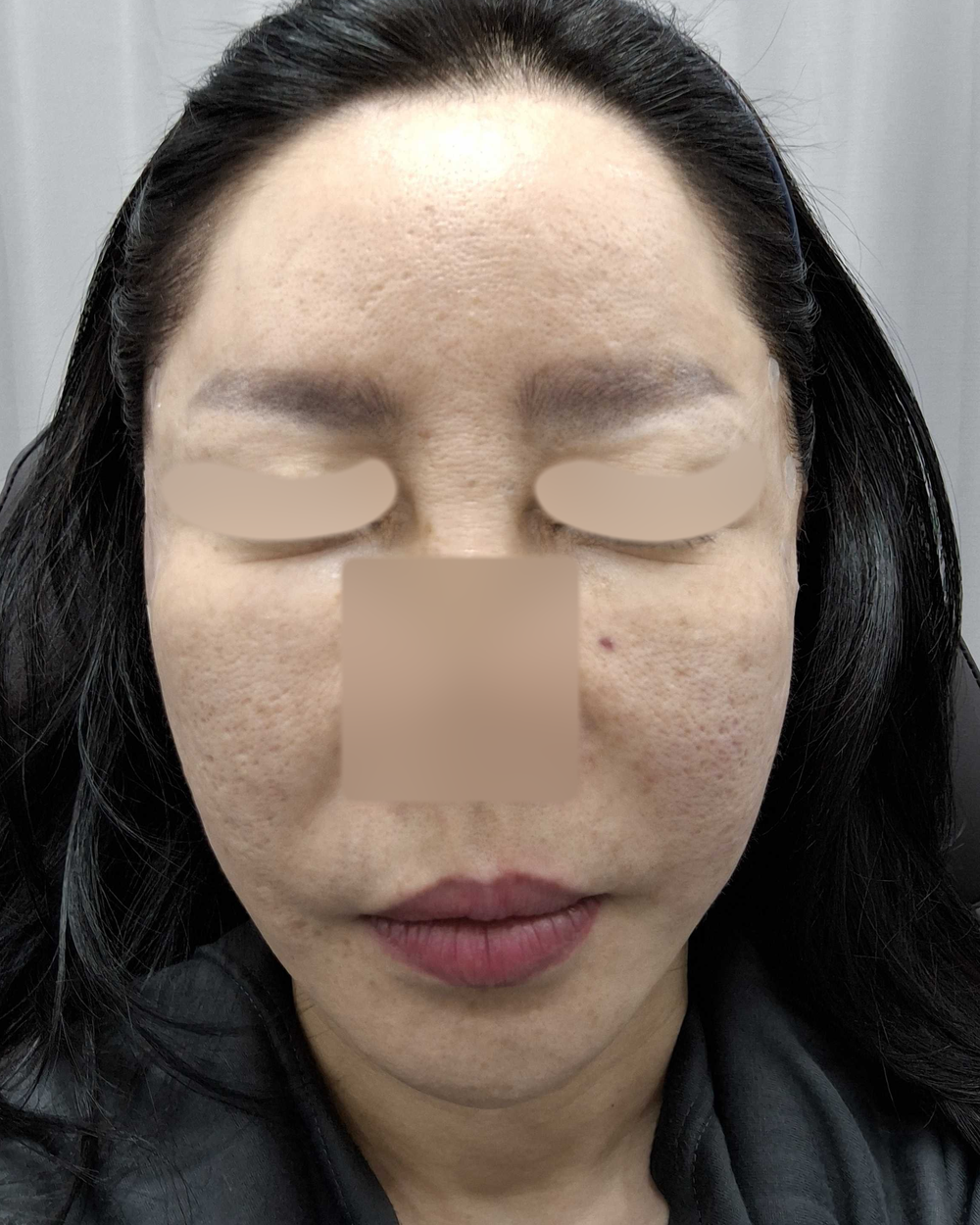
Immediately after treatment
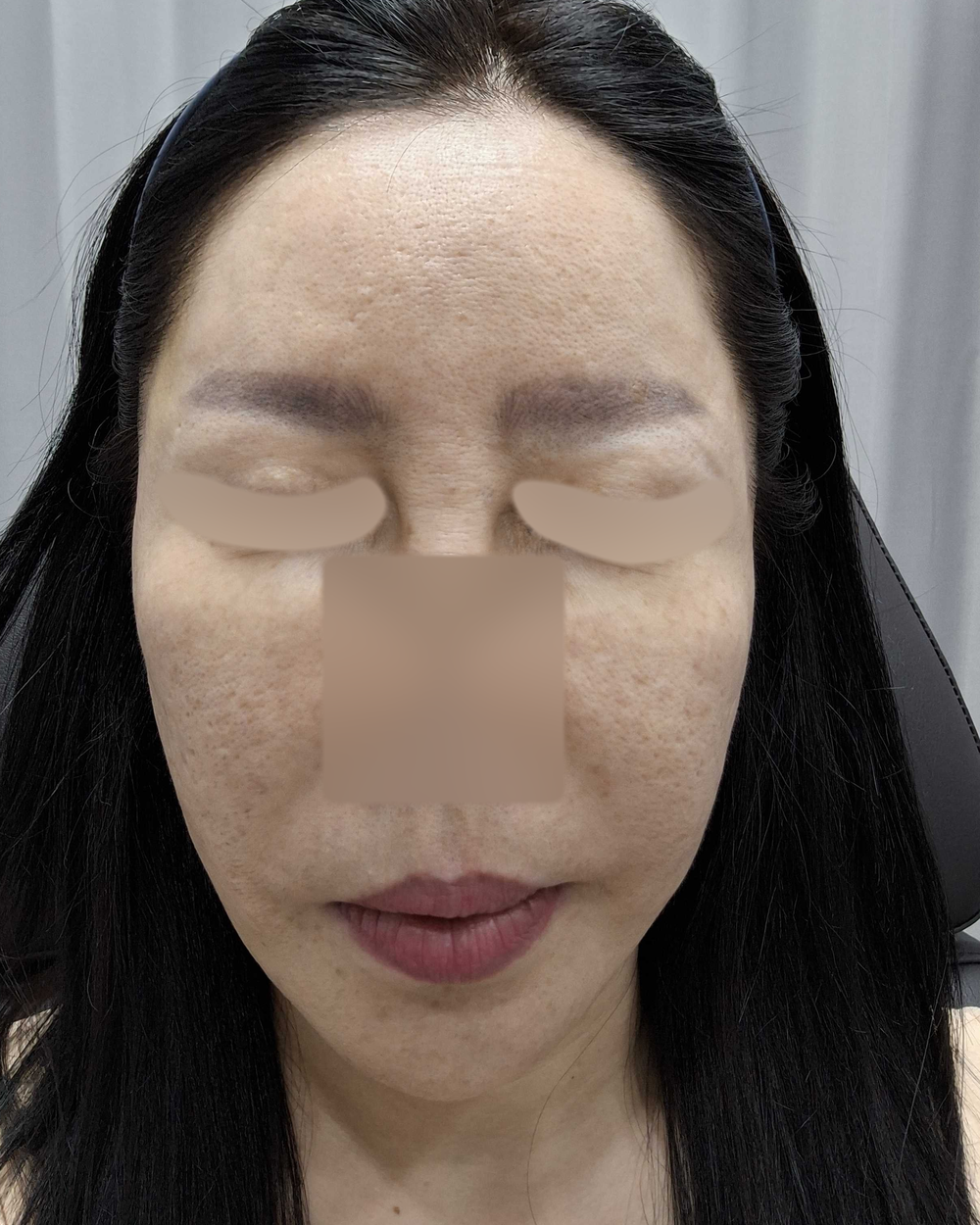
3 weeks later
Follow-up records from the same treatment case. Results and recovery vary from person to person.
Ask any remaining questions
before deciding
From the direction of lifting to recovery time,
check what suits your face
- Is a thread lift right for me?Sagging, hollowing and tissue weight help determine which approach should come first.
- Anaesthesia and recovery timingTell us about previous pain and important plans. Discuss expected bruising, swelling and precautions.
- Treatment scope and total costDecide after understanding why the proposed combination is recommended and whether additional procedures are involved.
You can have a consultation without choosing a procedure or program.
Decide after reviewing the explanation and cost.
Plan your visit,
by message
Message us with your preferred dates and questions. Your appointment is confirmed after the clinic checks availability.

Opening hours
- Mon–Fri
- 10:00–20:00Lunch 13:00–14:00
- Saturday
- 10:00–16:00No lunch break
- Sunday
- Closed